
 2026-10-14
 2
1. Overview
The modern healthcare industry relies heavily on precision medical equipment, efficient clinical operation workflows, and reliable patient safety guarantee systems. As a core electromechanical and fluid connection component of all medical devices, quick-connect connectors have evolved from ordinary industrial connecting parts into specialized medical components that integrate safety, efficiency, sterility, and durability. Unlike traditional threaded, welded, or crimped connectors that require professional tools and long operation time, medical quick-connect connectors adopt push-pull, snap-lock, and one-hand quick-release structural designs, enabling medical staff to complete stable connection and safe disconnection in one second without auxiliary tools. In high-intensity clinical scenarios such as emergency rescue, surgical operation, intensive care monitoring, and home medical care, the operational efficiency and connection reliability of quick-connect connectors directly affect the smooth progress of medical procedures and even the life safety of patients. With the continuous upgrading of medical technology, the diversification of medical equipment functions, and the strict improvement of medical industry safety standards, the technical requirements for medical quick-connect connectors in terms of sterilization adaptability, structural stability, anti-misinsertion performance, biocompatibility, and environmental adaptability have been continuously improved. This article comprehensively discusses the structural classification, core performance characteristics, medical application scenarios, industry compliance standards, technical advantages, existing challenges, and future development trends of quick-connect connectors for medical equipment, providing in-depth technical analysis and industry reference for the design, selection, and application of medical quick-connect connectors.
2. Core Definition and Structural Classification of Medical Quick-Connect Connectors
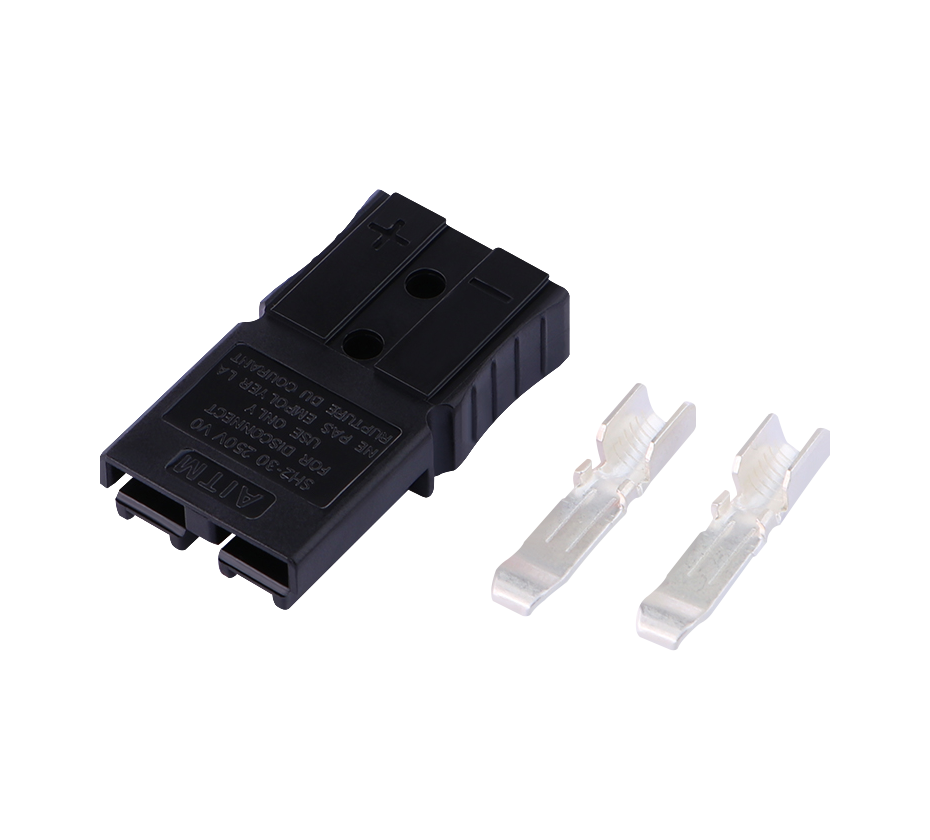
Medical quick-connect connectors are standardized modular connecting components specially designed for medical equipment signal transmission, power supply connection, and fluid medium delivery. They take "rapid assembly and disassembly, stable locking, safe separation" as the core design concept, and are exclusively optimized for the special working environment and safety requirements of the medical industry. According to the connection medium and structural form, medical quick-connect connectors can be divided into three mainstream categories: signal quick-connect connectors, fluid quick-connect connectors, and hybrid quick-connect connectors, each of which has independent structural characteristics and application positioning.
Signal quick-connect connectors are mainly used for the signal transmission of medical monitoring equipment, including patient vital sign monitors, electrocardiograph equipment, electroencephalograph detectors, and surgical auxiliary sensors. This type of connector mostly adopts circular push-pull locking structures, with multi-pin modular design, which can realize the rapid connection of analog signals, digital signals, and low-voltage control signals. The typical structural feature is the built-in spring self-locking mechanism. When the plug is axially pressed into the socket, the spring latch automatically locks the connecting position, avoiding accidental disconnection caused by external pulling and vibration during the operation of medical equipment. At the same time, the structural size is miniaturized and lightweight, which is suitable for portable medical devices and wearable medical monitoring equipment. Common products include ODU MEDI-SNAP series medical quick-connect connectors and miniature push-pull circular connectors compliant with IEC 60601-1 medical safety standards.
Fluid quick-connect connectors are the most widely used type in clinical medicine, dedicated to the delivery and switching of medical fluids such as medical gas, infusion liquid, blood products, and dialysis solution. Different from signal connectors, fluid quick-connect connectors focus on sealing performance and anti-leakage design, and are equipped with integrated sealing components such as EPDM and silicone O-rings. The mainstream structural forms include one-hand snap-lock connectors and flat-seal quick-connect couplings. The one-hand operation design allows medical staff to complete line connection and replacement with a single hand during emergency treatment, which greatly improves the rescue efficiency. The flat-seal structure can eliminate the dead space of fluid accumulation, effectively avoid bacterial growth and cross-contamination, and meet the aseptic requirements of medical fluid transmission. Typical application products include CPC sterile quick-connect connectors and medical Luer lock quick-connect connectors, which are widely used in infusion systems, medical oxygen supply systems, and hemodialysis equipment.
Hybrid quick-connect connectors are a new type of integrated connector developed in recent years, which can simultaneously realize signal transmission, power supply connection, and fluid delivery in a single modular interface. This integrated structural design greatly simplifies the pipeline and circuit layout of high-end medical equipment such as surgical robots, endoscopic systems, and integrated diagnosis and treatment equipment. The hybrid connector adopts a layered isolation structure, and the internal signal pins, power terminals, and fluid channels are independently isolated to avoid electromagnetic interference and fluid leakage risks. It supports multi-medium simultaneous transmission, and maintains the quick-connect and quick-disconnect characteristics of traditional connectors, becoming the core connecting component of intelligent medical equipment.
In addition to functional classification, medical quick-connect connectors can also be divided into reusable connectors and single-use disposable connectors according to service life. Reusable connectors are made of high-strength engineering plastics and medical-grade stainless steel, with a mating cycle of more than 5,000 times, and can adapt to repeated high-temperature autoclave, ethylene oxide (EtO), and gamma ray sterilization. They are mainly used in fixed medical equipment in hospitals. Single-use disposable quick-connect connectors are made of sterile medical-grade plastic, which is discarded after one use, completely avoiding the risk of cross-infection, and are widely used in emergency treatment, outpatient infusion, and mobile medical scenarios.
3. Core Performance Requirements for Medical-Grade Quick-Connect Connectors
Compared with industrial quick-connect connectors, medical quick-connect connectors have extremely strict performance thresholds in terms of safety, sterility, stability, and adaptability, which are determined by the particularity of medical application scenarios and the high requirements of patient safety protection. All medical quick-connect connectors must pass strict medical industry certification and meet multiple core performance indicators.
First and foremost is biocompatibility and safety performance. Medical quick-connect connectors that are in direct or indirect contact with patients' skin, blood, and body fluids must comply with ISO 10993 medical device biocompatibility standards, including cytotoxicity test, skin irritation test, sensitization test, and hemolysis test. The selected materials must be non-toxic, non-irritating, and non-allergenic, and will not release harmful substances or cause adverse reactions in human tissues. Reusable connector materials need to resist aging and degradation after repeated sterilization, and maintain stable physical and chemical properties. Disposable connectors must ensure sterile production and packaging, with no microbial residues on the surface.
Sterilization adaptability is another core essential performance. Medical equipment and connecting components need regular sterilization and disinfection to eliminate pathogenic microorganisms. Medical quick-connect connectors must adapt to all mainstream medical sterilization methods, including high-temperature high-pressure autoclave (121℃/134℃), ethylene oxide low-temperature sterilization, gamma ray radiation sterilization, and ultraviolet disinfection. The structural design and material selection of connectors must avoid deformation, aging, cracking, and sealing failure after repeated sterilization. For example, medical-grade silicone and FKM sealing rings can maintain stable sealing performance after hundreds of sterilization cycles, while high-strength polycarbonate and PBT engineering plastics can resist radiation and high-temperature aging, ensuring long-term stable use of connectors.
Quick connection reliability and anti-misoperation performance are key operational indicators. Medical scenarios are often accompanied by high-intensity work and emergency operations, so connectors must realize foolproof connection and one-step locking. The anti-misinsertion structural design can effectively prevent wrong connection of different pipelines and signals, avoid medical accidents caused by misconnection. The self-locking structure ensures that the connector will not be loosened or disconnected due to equipment vibration, patient movement, and external traction during use. At the same time, the disconnection force is designed moderately, which can be quickly separated by manual operation in emergency situations, and will not be accidentally disconnected under normal working conditions, balancing operational convenience and use stability.
Sealing and anti-leakage performance is crucial for fluid quick-connect connectors. Medical fluid transmission involves high-risk media such as medical oxygen, sterile infusion liquid, and blood. Once leakage occurs, it will lead to treatment failure, patient infection, and even safety accidents. Medical quick-connect fluid connectors adopt double sealing structure and flat-seal dead-space-free design, with zero leakage under rated working pressure. The integrated sealing structure reduces pipeline joints, effectively reduces leakage points, and improves the safety of fluid transmission. In addition, the connector has good chemical corrosion resistance, and can resist the corrosion of medical disinfectants, infusion reagents, and body fluids, avoiding sealing failure caused by material corrosion.
Electromagnetic compatibility and electrical safety performance are mandatory for signal and power connectors. Medical equipment is mostly precision electronic instruments, and the working environment is complex with multiple electrical devices operating simultaneously. Medical quick-connect signal connectors have excellent anti-electromagnetic interference performance, which can avoid signal distortion and data loss caused by external electromagnetic interference. At the same time, they comply with IEC 60601-1 medical electrical safety standards, with 2 MOPP/2 MOOP protection levels, effectively preventing electric leakage and electric shock risks, ensuring the safety of patients and medical staff.
4. Typical Application Scenarios of Quick-Connect Connectors in Medical Equipment
Medical quick-connect connectors cover almost all categories of medical equipment, and their efficient and safe connection performance provides basic support for the normal operation of various medical devices. According to clinical application fields, the main application scenarios are divided into emergency rescue equipment, intensive care equipment, surgical medical equipment, diagnostic and monitoring equipment, and home medical equipment.
In emergency rescue scenarios, time is the core factor determining the rescue effect. Emergency equipment such as portable ventilators, emergency defibrillators, portable oxygen supply devices, and emergency infusion sets all rely on quick-connect connectors to realize rapid assembly and switching. In pre-hospital emergency treatment and inpatient emergency rescue, medical staff can quickly connect equipment pipelines and signal lines through one-hand quick-connect connectors, shortening the equipment preparation time from minutes to seconds, greatly improving the efficiency of emergency rescue. The anti-misinsertion and self-locking design of the connectors can avoid operation errors in high-tension emergency environments, ensuring the accuracy and safety of rescue operations.
Intensive care unit (ICU) equipment has high requirements for continuous and stable operation. Patient multi-parameter monitors, invasive blood pressure detectors, ventilators, hemodialysis machines, and extracorporeal membrane oxygenation (ECMO) equipment all use medical quick-connect connectors for signal and fluid connection. These devices need to work continuously for 24 hours, and the stable locking performance of quick-connect connectors ensures that the equipment will not be disconnected accidentally during long-term operation. At the same time, the quick-disconnect function facilitates medical staff to replace equipment parts, adjust treatment pipelines, and carry out equipment maintenance, reducing the interruption time of patient monitoring and treatment. The sterile and anti-pollution design of the connectors effectively reduces the risk of hospital-acquired infection in critically ill patients.
Surgical medical equipment puts forward higher requirements for the precision, sterility, and integration of connectors. High-end surgical equipment such as surgical robots, high-definition endoscopic systems, electrosurgical instruments, and minimally invasive surgical devices adopts hybrid quick-connect connectors. The integrated design of signal, power, and fluid connection simplifies the equipment pipeline layout, makes the surgical operation area more tidy, and avoids the interference of messy lines on surgical operations. The miniaturized quick-connect structure is suitable for handheld surgical instruments, realizing flexible switching of different surgical functional components. The sterilizable performance of the connectors meets the aseptic requirements of surgical operations, ensuring the sterile state of the equipment connection interface during the whole operation process.
Diagnostic and monitoring equipment such as electrocardiographs, ultrasound diagnostic instruments, magnetic resonance imaging equipment, and vital sign monitoring terminals use signal quick-connect connectors to realize the connection of sensor probes and equipment hosts. The quick plug-and-play function enables medical staff to quickly replace different detection probes and improve the efficiency of diagnosis and examination. The stable signal transmission performance of the connectors ensures the accuracy and clarity of medical detection data, providing reliable data support for disease diagnosis.
With the rapid development of home medical care and telemedicine, home medical equipment such as household ventilators, portable blood glucose monitors, wearable heart rate monitors, and home infusion equipment has been widely popularized. The quick-connect connectors used in home medical equipment are designed with simple operation and high safety, which can be operated by patients and their families without professional training. The foolproof connection design avoids operation errors, and the disposable sterile quick-connect connectors effectively reduce the risk of household medical infection, ensuring the safety and convenience of home medical treatment.
5. Industry Standards and Compliance Specifications
The production, design, and application of medical quick-connect connectors are strictly regulated by international and national medical industry standards, and all products on the market must pass standardized certification and testing to ensure use safety. The core international standards include IEC 60601-1 medical electrical equipment safety standard, which specifies the electrical safety, mechanical safety, and environmental adaptability requirements of medical connectors, and is the basic certification standard for all medical electrical connecting components. ISO 10993 series standards regulate the biocompatibility testing indicators of medical connectors, covering material toxicity, irritation, sensitization, and microbial safety.
In terms of fluid connectors, ISO 594 standard specifies the dimensional accuracy and connection safety of medical Luer lock connectors, preventing pipeline misconnection and liquid leakage. The ASTM F2154 standard puts forward special requirements for the sterile performance and anti-cross-infection performance of disposable medical quick-connect connectors. In addition, professional industry standards such as IEC 61076 series connector performance standards and ISO 13485 medical device quality management system standards run through the whole process of connector design, production, and testing, ensuring the consistency and reliability of product quality.
In China, medical quick-connect connectors belong to medical device accessories, and their production and sales must comply with the YY/T series medical industry standards and medical device registration management specifications. All products need to pass the testing and certification of the National Medical Device Testing Institute to meet the safety and performance requirements of domestic clinical applications. The standardized industry system ensures that medical quick-connect connectors can maintain high safety and stability in complex clinical scenarios.
6. Technical Advantages and Industrial Value
Compared with traditional fixed connectors, medical quick-connect connectors have obvious technical advantages and important industrial value in clinical application and medical equipment manufacturing. First of all, it greatly improves the operational efficiency of clinical work. The one-hand quick plug-and-play function shortens the equipment connection time, optimizes the medical operation workflow, and effectively reduces the working pressure of medical staff, especially in emergency and high-intensity surgical scenarios, which can significantly improve the success rate of treatment and rescue.
Secondly, it improves the safety level of medical treatment. The anti-misinsertion, self-locking, zero-leakage, and sterile anti-pollution design of quick-connect connectors effectively avoids medical accidents such as pipeline misconnection, liquid leakage, signal interruption, and cross-infection, and builds a multi-dimensional safety guarantee system for medical equipment operation and patient treatment. The electrical safety and electromagnetic compatibility design eliminate the hidden dangers of electrical failure and signal distortion of precision medical equipment, ensuring the stable operation of medical devices.
In terms of equipment manufacturing and maintenance, modular quick-connect connectors realize the standardized and integrated design of medical equipment. Medical equipment manufacturers can adopt unified modular connector interfaces, which simplifies equipment structural design, reduces production costs, and improves the versatility and compatibility of equipment parts. For equipment maintenance and after-sales service, the quick-disconnect structure facilitates the rapid replacement of faulty parts, reduces equipment downtime, and improves the utilization rate of medical equipment.
In the context of the development of intelligent medical care, quick-connect connectors support the modular upgrading and functional expansion of intelligent medical equipment. The hybrid integrated connector can meet the multi-medium transmission needs of intelligent equipment such as surgical robots and Internet of Medical Things terminals, providing basic hardware support for the digitalization and intelligence upgrade of the medical industry. In addition, some high-end quick-connect connectors are equipped with RFID intelligent identification technology, which can realize automatic verification of pipeline connection accuracy, real-time monitoring of equipment connection status, and traceability of medical equipment use data, further promoting the intelligent management of medical equipment.
7. Current Technical Challenges and Limitations
Although medical quick-connect connectors have been widely used in the industry, there are still some technical bottlenecks and application limitations in high-end medical scenarios. First, the contradiction between miniaturization and performance improvement. With the continuous miniaturization and precision of medical equipment, the size of connectors is required to be smaller and lighter, but miniaturization will lead to the reduction of contact area and sealing area, which brings great challenges to the stability of signal transmission and the reliability of fluid sealing. How to maintain high performance indicators such as low signal loss and zero leakage under ultra-miniaturized size is a key technical problem restricting the development of high-end medical connectors.
Secondly, the durability of disposable and reusable connectors needs to be improved. Disposable quick-connect connectors are limited by cost and material, and their structural strength and sealing stability are slightly insufficient in complex pipeline pressure environments. Reusable connectors will inevitably have material aging and mechanical wear after long-term repeated sterilization and plugging, resulting in reduced locking stability and sealing performance, which affects the service life of the connectors.
In addition, the compatibility of different brand connectors is poor. At present, there is no fully unified global universal standard for the interface size and structural parameters of medical quick-connect connectors. Products of different manufacturers have certain differences in interface design, resulting in poor interchangeability of connectors, which increases the equipment maintenance cost and material management difficulty of medical institutions. At the same time, the anti-interference ability of high-frequency signal quick-connect connectors is insufficient, which is easy to be affected by the electromagnetic environment of the operating room, resulting in high-frequency signal attenuation and distortion, affecting the detection accuracy of high-precision medical equipment.
8. Future Development Trends
With the continuous progress of medical technology and the upgrading of clinical medical needs, medical quick-connect connectors are developing towards miniaturization, integration, intelligence, high durability, and full scene compatibility. In terms of structural design, ultra-miniaturized high-density hybrid connectors will become the mainstream, realizing the integration of more signal pins, power channels, and fluid channels in a smaller size, adapting to the development of portable and miniaturized intelligent medical equipment.
In terms of material technology, new high-performance medical materials will be widely used, including high-temperature and radiation-resistant engineering plastics, high-elasticity and aging-resistant sealing materials, and low-resistance high-conductivity contact materials. These new materials can further improve the sterilization adaptability, mechanical durability, and electrical transmission performance of connectors, and extend the service life of reusable connectors.
Intelligentization is an important development direction of medical quick-connect connectors. Combined with Internet of Things sensing technology, RFID identification technology, and data transmission technology, the new generation of intelligent connectors can realize real-time monitoring of connection status, automatic fault alarm, connection data traceability, and equipment use status management. It can automatically identify wrong connections, loose connections, and leakage faults, and feed back data to the medical equipment management system, realizing intelligent supervision of medical equipment operation and effectively preventing medical safety accidents.
In addition, industry standard unification and product universal compatibility will be further optimized. The continuous improvement of international and domestic medical connector standards will promote the unification of interface specifications of different manufacturers, improve the interchangeability and versatility of products, and reduce the operating costs of medical institutions. At the same time, green and environmentally friendly disposable connector materials and recyclable reusable connector technologies will become a research hotspot, meeting the industry's requirements for environmental protection and sustainable development.
As an indispensable basic component of modern medical equipment, quick-connect connectors for medical equipment play an irreplaceable role in improving clinical operation efficiency, ensuring medical treatment safety, and promoting the intelligent upgrading of medical equipment. Its unique quick connection and disconnection performance, excellent medical safety, sterility, and environmental adaptability make it widely used in emergency rescue, intensive care, surgical treatment, medical diagnosis, and home medical care scenarios. At present, the industry is still facing technical challenges such as miniaturization performance balance, durability improvement, and standard compatibility. In the future, with the innovation of material technology, structural design, and intelligent technology, medical quick-connect connectors will achieve comprehensive breakthroughs in performance, function, and application scope, and continue to empower the high-quality development of the global medical and health industry.
 Yang.taya@aitmpower.com
Tel: 15382891313
Phone: 0769-88878951
Fax: 0769-88878955
Wechat: 15382891313


 CN
 CN
 Home >