
 2026-10-14
 2
1. Overview of Power Distribution Unit (PDU) Connectors
Power Distribution Unit (PDU) connectors are core electromechanical interface components specially used for power distribution, transmission, and management in data center server cabinets, computer room equipment, and industrial power distribution systems. As the key link between urban power supply systems, UPS uninterruptible power supply equipment, and terminal server/network equipment, PDU connectors undertake the important task of centralized power distribution, circuit protection, and safe power supply for all IT equipment in the cabinet. Different from ordinary civilian power connectors, PDU connectors are designed for 7×24-hour high-load continuous operation scenarios of data centers, with ultra-high safety, stability, load capacity, and anti-interference performance, which is the key guarantee for the safe and stable operation of data center server clusters.
In the hierarchical power supply architecture of modern data centers, PDU connectors are located in the cabinet-level power distribution link, undertaking the power input from the upper-level low-voltage power distribution cabinet and UPS system, and realizing multi-channel stable power output for lower-level servers, switches, storage devices, and other IT terminal equipment. The performance of PDU connectors directly determines the power supply reliability of a single cabinet and even the entire data center area. Problems such as poor contact, overload heating, loose wiring, and electromagnetic interference of PDU connectors will directly cause terminal equipment power failure, equipment damage, and even data center fire accidents, so their design and manufacturing standards are far higher than ordinary power connectors.
With the rapid expansion of data center scale and the continuous improvement of server power density, the single-cabinet power load has increased from the traditional 3–5kW to 10–20kW, and the high-density AI server cabinet even exceeds 30kW. The continuous improvement of cabinet power load puts forward higher requirements for the current carrying capacity, heat dissipation performance, safety protection, and intelligent management of PDU connectors. Modern PDU connectors have evolved from simple power plug-in components into intelligent power distribution interfaces integrating power transmission, overload protection, fault monitoring, locking anti-drop, and electromagnetic shielding functions, becoming an indispensable core component of intelligent data centers.
2. Core Classification and Structural Characteristics of PDU Connectors
According to application functions, current specifications, structural forms, and industry standards, PDU connectors are mainly divided into input connectors, output connectors, high-current industrial connectors, and intelligent locking connectors. Each type has independent design specifications and application scenarios, forming a complete cabinet power distribution connection system.
2.1 PDU Input Connectors
PDU input connectors are used for connecting PDU equipment with upper-level power supply equipment (UPS, power distribution cabinet), undertaking the total power input of the entire cabinet PDU. According to different current loads and voltage specifications, the mainstream input connectors in the market include IEC 60320 C20, CEE industrial plug, and PowerLock high-current connectors, which are applicable to low-power, medium-power, and high-power cabinet scenarios respectively.
The IEC 60320 C20 input connector is the most widely used standard input interface for ordinary rack PDUs, with a rated voltage of 250V AC and a rated current of 16A/20A, suitable for standard server cabinets with a single-cabinet power load below 5kW. It adopts a three-core (live wire, neutral wire, ground wire) integrated structural design, with a compact shell and standardized pin spacing, realizing fast and safe plugging. The contact terminals are made of high-purity copper with silver-plated surface treatment, which has low contact resistance and excellent conductivity, ensuring stable input of rated current for a long time. The shell is made of high-temperature flame-retardant engineering plastic, which can resist high-temperature heating and avoid burning deformation under overload conditions.
CEE industrial connectors are mainly used for medium and high-power PDU input scenarios, with current specifications covering 32A, 63A, and 125A, and supporting three-phase 380V AC power input. They adopt a multi-pin locking structural design, with color-coded phase sequence identification, which can effectively avoid wrong wiring and phase sequence confusion. The built-in spring-loaded multi-finger contact structure can evenly distribute high current load, reduce local heating, and ensure stable power input under long-term high-load operation. The IP44/IP67 protection level can effectively prevent dust, water splash, and debris from entering the contact gap, adapting to the complex power distribution environment of computer rooms.
PowerLock high-current connectors are dedicated to ultra-high-power AI server cabinets and high-density computing cabinets, with a rated voltage of up to 1000V AC/DC and a current rating of up to 200A. They adopt a fully sealed locking structure, with IP67 dustproof and waterproof protection level after plugging. The keyed anti-mismating design and international standard color-coding system adapt to three-phase power distribution standards in Europe, America, and Australia, completely avoiding connection errors. The thickened integral copper conductor structure has ultra-low resistance, realizing low-loss transmission of ultra-high current, and is the core input connector solution for high-load data center cabinets.
2.2 PDU Output Connectors
PDU output connectors are used for power supply connection between PDU and terminal IT equipment (servers, switches, storage devices), and are the most frequently used and most numerous connectors in PDU equipment. The mainstream products comply with IEC 60320 international standards, mainly including C13, C15, C19, and C21 models, which match the power inlet interfaces of different power-grade server equipment.
IEC 60320 C13 output connectors are the most common low-power output interfaces, with a rated current of 10A and a rated voltage of 250V AC, suitable for ordinary rack servers, network switches, monitoring equipment, and other low-power IT equipment. They have the characteristics of compact size, convenient plugging, and wide compatibility, and are the standard output configuration of basic PDUs. The C15 connector is a high-temperature resistant upgraded version of C13, with a special high-temperature resistant shell material, which can adapt to the high-temperature heat dissipation environment near server equipment, avoiding aging and deformation of the connector caused by long-term high-temperature baking, and is suitable for high-heat-generating server and storage equipment scenarios.
IEC 60320 C19/C21 high-power output connectors are aimed at high-power servers, blade server chassis, and high-performance GPU computing equipment, with a rated current of 16A/20A and a rated voltage of 250V AC. Compared with C13 connectors, they have larger contact area, thicker conductive terminals, and stronger current carrying capacity, which can meet the long-term full-load power supply demand of high-power server equipment. The structural stability is higher, and the anti-vibration and anti-loosening performance are optimized, avoiding power supply interruption caused by vibration during server operation.
In addition, intelligent PDUs are equipped with locking output connectors in large quantities. The integrated lever locking structure or side buckle locking structure can firmly lock the power plug after plugging, completely solving the problem of accidental disconnection caused by equipment vibration, cable pulling, and human collision. The locking structure does not require special power cords, and the plug can be easily removed by releasing the lever, balancing operational safety and maintenance convenience, which is widely used in high-reliability data center scenarios.
2.3 Special Functional PDU Connectors
With the upgrading of intelligent data centers, special functional PDU connectors such as hybrid power-signal connectors and monitoring integrated connectors have emerged. Hybrid connectors integrate power transmission and signal communication functions in a single interface, which can realize power supply and real-time monitoring of voltage, current, power, and temperature of terminal equipment through one cable, greatly simplifying cabinet wiring and reducing cable clutter. The signal channel adopts independent shielding design, which avoids electromagnetic interference between power and signals, ensuring the accuracy of monitoring data.
ESS energy storage special PDU connectors are specially designed for data center energy storage and backup power distribution systems, with high-voltage and high-current resistance, short-circuit rapid breaking, and arc extinguishing functions. They can adapt to the switching working state of frequent power supply and power failure of energy storage systems, with excellent fatigue resistance and fault resistance, ensuring the stable connection of power distribution links between UPS energy storage units and server cabinets.
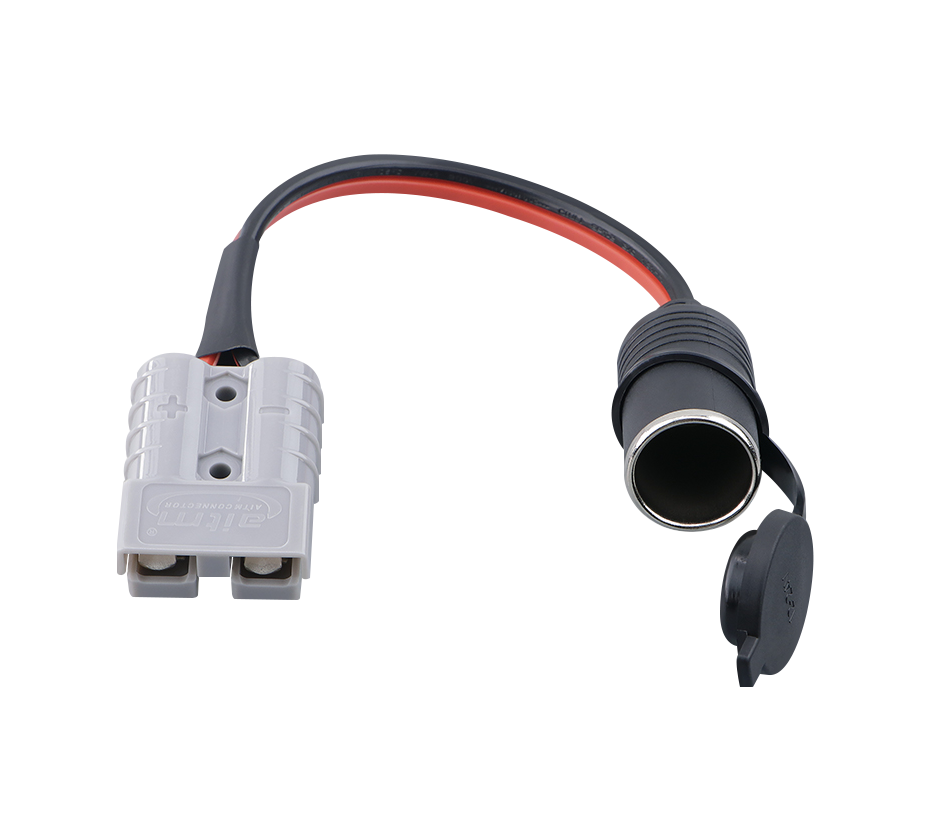
3. Key Performance Standards and Core Technical Advantages
PDU connectors are related to the power supply safety of the entire cabinet equipment, so they implement extremely strict performance standards in terms of electrical safety, mechanical stability, environmental adaptability, and fault protection, covering all links of design, production, and application.
3.1 Electrical Safety Performance
Electrical safety is the primary performance indicator of PDU connectors. All mainstream PDU connectors comply with IEC 60320, IEC 60309, and UL 60950 electrical safety standards, with strict control of contact resistance, insulation performance, and overload resistance. The contact resistance of qualified PDU connectors is less than 5mΩ, which minimizes power loss and heating during high-current transmission. The insulation resistance is greater than 2000MΩ, and the withstand voltage can reach 2000V AC for 1 minute without breakdown, effectively preventing electric leakage and electric shock accidents.
In terms of overload and short-circuit protection, most PDU connectors are matched with built-in circuit breaker protection structures, which can automatically cut off the circuit within milliseconds when the current exceeds the rated value or a short-circuit fault occurs, avoiding equipment burning and fire accidents caused by overload. The multi-finger contact structure of high-current connectors can evenly disperse the current load, avoid local overheating of a single contact point, and ensure long-term stable operation under 100% full-load state. The silver-plated contact surface has excellent anti-oxidation performance, which can avoid contact resistance increase and heating failure caused by long-term oxidation, and extend the service life of the connector.
3.2 Mechanical and Structural Stability
PDU connectors need to withstand frequent plugging and unplugging, long-term vibration, and cable tensile force, so mechanical structural stability is crucial. The mechanical plugging life of standard PDU output connectors reaches more than 5000 cycles, and high-grade industrial connectors can reach 10,000 cycles, meeting the long-term maintenance and replacement needs of data center equipment. The plugging force is moderate, which is convenient for manual operation, while the holding force after plugging is sufficient to resist the vibration generated by server fans and hard disk operation, as well as the slight pulling force of cables, avoiding accidental disconnection.
The integrated injection molding shell structure has high structural strength, not easy to deform and crack, and can withstand external impact and extrusion during cabinet installation and equipment maintenance. The foolproof anti-mismating design of high-current input connectors can effectively avoid wrong plugging and reverse connection, ensuring the correctness and safety of power distribution wiring. The locking structure of intelligent connectors further improves the connection reliability, completely eliminating the hidden danger of power supply interruption caused by loose connectors.
3.3 Environmental Adaptability and Durability
Data center PDU equipment works in a closed cabinet environment for a long time, with high internal temperature, certain dust accumulation, and continuous vibration. PDU connectors are designed for this harsh working environment, with a working temperature range of -20℃ to +85℃ and a storage temperature range of -40℃ to +100℃. The high-temperature resistant flame-retardant shell material will not age, deform or melt under long-term high-temperature operation, and the flame retardant grade reaches UL94 V-0, which can prevent flame spread in case of circuit failure and improve data center fire safety.
In terms of environmental protection and anti-corrosion, PDU connectors comply with RoHS environmental protection standards, adopting halogen-free and low-smoke materials, which will not produce toxic and harmful gases in case of high-temperature failure. The metal terminals undergo anti-corrosion treatment such as silver plating and gold plating, which can resist the erosion of trace moisture and dust in the air, avoid rust and poor contact, and ensure stable operation for more than 8 years of long-term service life. High-grade industrial PDU connectors also pass salt spray test and damp heat test, adapting to the humid and dusty working environment of edge data centers and industrial computer rooms.
4. Core Application Scenarios and Matching Schemes
PDU connectors are widely used in various types of data center server cabinets, industrial control cabinets, UPS power distribution systems, and intelligent monitoring equipment. According to different cabinet power loads and equipment types, they form a standardized matching application system.
4.1 Standard Data Center Cabinet Application
In ordinary standard server cabinets with a single-cabinet power load of 3–5kW, the PDU adopts C20 input + C13/C15 mixed output configuration. The C20 20A input connector meets the total power input demand of the cabinet, and the C13 interface supplies power to ordinary servers, switches, and monitoring equipment, while the C15 high-temperature resistant interface is matched with high-heat-generating storage servers. This matching scheme has low cost, wide compatibility, and stable performance, and is the most mainstream power distribution connection scheme in traditional data centers.
4.2 High-Power Server Cabinet Application
For high-performance server cabinets, blade server cabinets, and GPU computing cabinets with a single-cabinet power load of 5–20kW, CEE 32A/63A industrial input connectors + C19 high-power output connectors are mainly adopted. The high-current industrial input interface meets the high-power total load demand of the cabinet, and the C19 20A high-power output interface provides stable power supply for dual-power redundant servers and high-performance computing equipment, avoiding overload heating and power supply instability of ordinary connectors under high-load conditions.
4.3 Ultra-High-Density AI Data Center Application
In ultra-high-density AI server cabinets and supercomputing cabinets with a single-cabinet power load exceeding 20kW, PowerLock high-current connectors and three-phase CEE 125A industrial connectors are used for PDU input, matching customized high-current hybrid output connectors. This scheme realizes low-loss transmission of ultra-high current, supports long-term full-load operation of GPU cluster servers, and has excellent safety protection and anti-interference performance, meeting the extreme power distribution demand of high-performance computing data centers.
4.4 Intelligent Monitoring PDU Application
Intelligent monitoring PDUs used in intelligent data centers adopt integrated monitoring connectors with power and signal integration. While realizing multi-channel power distribution, they upload real-time data such as voltage, current, power, temperature, and power consumption of each output channel to the data center management platform, realizing remote monitoring, overload alarm, and remote power-off control of cabinet power distribution. This type of connector is the core hardware foundation of intelligent and visualized power management in modern data centers.
5. Industry Standards, Market Development and Future Trends
The design, production, and testing of PDU connectors strictly follow international authoritative standards such as IEC 60320, IEC 60309, UL 60950, and GB 7000. All products must pass safety certification, electromagnetic compatibility certification, and environmental protection certification to ensure the safety and standardization of data center power distribution systems. At the same time, with the continuous upgrading of data center construction standards, the industry has put forward higher requirements for the energy saving, intelligence, and safety of PDU connectors.
In recent years, driven by the rapid development of cloud computing, big data, and artificial intelligence industries, the global data center scale has continued to expand, driving the continuous growth of the PDU connector market. The market demand for high-current, intelligent, and high-reliability PDU connectors is increasing year by year, while ordinary low-power ordinary connectors are gradually being eliminated. The industry is developing towards high precision, high safety, and high intelligence.
The future development trends of PDU connectors are mainly reflected in three aspects: first, high efficiency and energy saving. By optimizing conductive materials and structural design, reducing contact resistance and power transmission loss, helping data centers reduce PUE (Power Usage Effectiveness) and realize green energy saving operation. Second, intelligent integration. Further integrate monitoring, communication, and protection functions, support 5G and IoT remote intelligent management, and realize full-life cycle monitoring and fault early warning of power distribution links. Third, high safety and miniaturization. Under the premise of improving current carrying capacity and safety performance, realize miniaturization and high-density layout, adapt to the high-density integration trend of modern server cabinets, and save cabinet space. Fourth, modularization and standardization. Realize modular design of connectors, improve product interchangeability and maintainability, and reduce data center operation and maintenance costs.
In addition, with the popularization of edge data centers and modular data centers, PDU connectors are developing towards miniaturization, lightweight, and rapid assembly, adapting to the rapid deployment and distributed operation requirements of new data center architectures. The continuous technological iteration of PDU connectors will further guarantee the high stability, high efficiency, and high safety operation of modern data center power distribution systems.
 Yang.taya@aitmpower.com
Tel: 15382891313
Phone: 0769-88878951
Fax: 0769-88878955
Wechat: 15382891313


 CN
 CN
 Home >