
 2026-10-14
 3
PV installation connectors are core specialized electrical components designed exclusively for photovoltaic power generation systems, serving as the fundamental connection medium for building complete solar power transmission circuits. As the critical "electrical bridge" in PV systems, they realize stable electrical connection and signal transmission between PV modules, combiner boxes, inverters, power distribution cabinets, and energy storage equipment. Unlike ordinary electrical connectors used in indoor low-power scenarios, PV installation connectors are developed to adapt to long-term outdoor harsh working environments, with extreme requirements for weather resistance, electrical safety, mechanical stability, and anti-aging performance. With the rapid development of global photovoltaic industry and the continuous upgrading of high-power, high-voltage PV systems, PV installation connectors have evolved from early low-voltage and low-current models to 1500V DC high-voltage, high-current, and intelligent waterproof models, becoming an indispensable key part affecting the overall power generation efficiency, operational safety, and service life of PV power stations.
The core functional value of PV installation connectors is to ensure long-term stable and safe power transmission of PV systems. Photovoltaic power stations, whether large-scale ground centralized power stations, distributed rooftop PV systems, or industrial and commercial photovoltaic power generation projects, operate in open outdoor environments all year round, facing complex and changeable natural conditions such as strong ultraviolet radiation, high and low temperature alternating impact, rainwater erosion, sand and dust deposition, and wind and snow extrusion. Ordinary electrical connectors are prone to insulation aging, poor contact, electric leakage, and short-circuit faults in such environments, which will lead to system power generation attenuation, equipment damage, and even fire accidents. In contrast, professional PV installation connectors adopt customized structural design and high-performance insulating and conductive materials, which can effectively resist environmental erosion, maintain stable conductive performance and insulating performance for more than 25 years, and match the whole life cycle of PV modules, which is the key guarantee for the safe and efficient operation of PV systems.
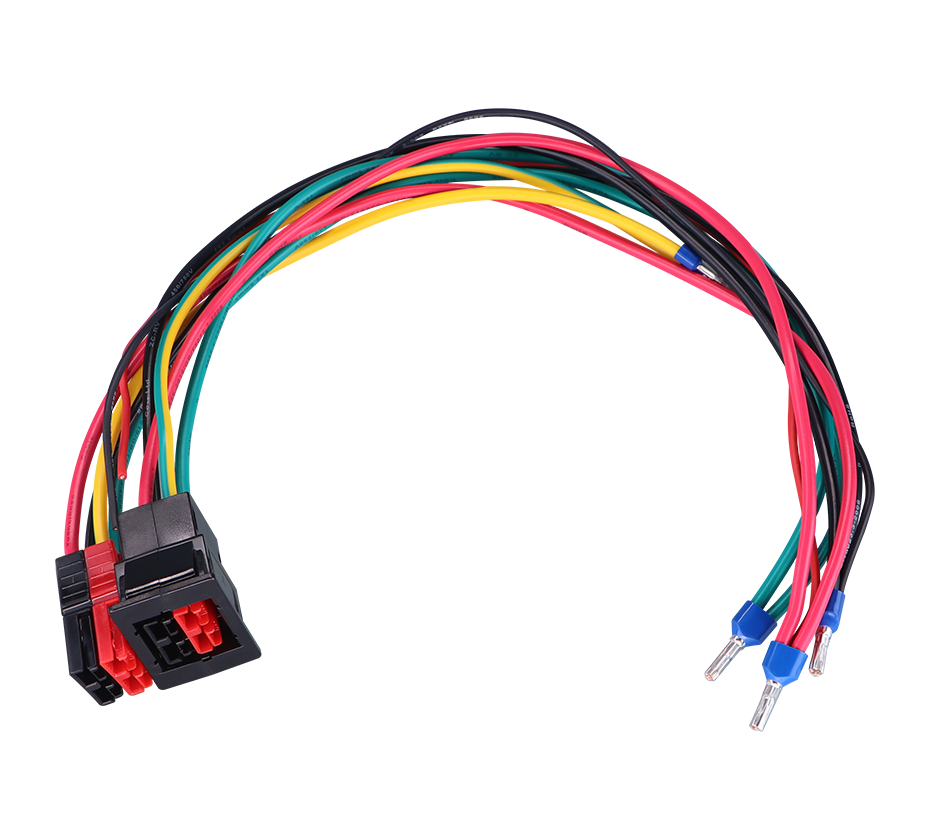
In terms of structural composition, PV installation connectors adopt a mature male and female butt-plug structure, mainly including conductive core, insulating shell, waterproof sealing structure, locking device, and anti-aging protective parts. The conductive core is mostly made of high-purity tinned copper or silver-plated copper materials. High-purity copper ensures excellent electrical conductivity and reduces contact resistance and power transmission loss, while tin plating or silver plating can effectively prevent metal oxidation and corrosion, avoid contact failure caused by long-term oxidation of conductive parts, and ensure stable current transmission. The insulating shell is made of high-performance flame-retardant thermoplastic materials such as polycarbonate (PC) and polypropylene (PP), which have excellent high-temperature resistance, low-temperature toughness, UV resistance, and flame-retardant properties. These materials will not deform, crack or age rapidly under long-term outdoor exposure, and can maintain good insulation performance to prevent electric leakage risks.
The waterproof sealing structure is a core advantage of PV installation connectors. Most qualified products are equipped with multi-layer silicone rubber sealing rings, which can reach IP67 or above waterproof and dustproof grade. This grade means that the connector can completely prevent dust from entering and resist short-term immersion in deep water, effectively avoiding circuit short circuit and electric leakage caused by rainwater and dew penetration. The locking device adopts a self-locking buckle structure. After the male and female connectors are docked, they can form a stable mechanical lock, which is not easy to loosen and fall off under the action of external wind force, cable tension, and mechanical vibration. This design solves the problem of poor contact caused by loose wiring in traditional wiring methods and greatly improves the operational stability of the system.
In terms of product classification, PV installation connectors can be divided into multiple types according to voltage level, current specification, structural form, and application scenario. According to the voltage grade, they are divided into 600V DC and 1500V DC models. Early small and medium-sized PV systems mainly adopt 600V connectors, while modern large-scale ground power stations and high-power distributed PV systems generally adopt 1500V DC high-voltage connectors. The upgrade of voltage grade effectively reduces the system current, reduces cable transmission loss, and improves the overall power generation efficiency of the power station. According to the current specification, the common models are 20A, 30A, 40A, etc., which can match PV modules of different power levels and meet the current transmission requirements of different string circuits.
According to the structural form, PV installation connectors are mainly divided into straight-through connectors and branch connectors. Straight-through connectors are the most basic type, used for the series connection of single-string PV modules and the straight-line extension of circuits, realizing the simple docking of two cables. Branch connectors include Y-type, T-type, and X-type structures, which are mainly used for parallel connection of multiple PV strings. Y-type and T-type connectors are suitable for conventional parallel wiring of two strings of components, with flexible installation and strong adaptability to narrow installation spaces; X-type four-way connectors are suitable for complex wiring scenarios of four-string parallel connection, and are mostly used in large-scale PV array layout, which can effectively simplify the wiring structure of the system and reduce the number of cable joints.
In terms of technical standards and certification, formal PV installation connectors must comply with international IEC 62852, UL 6703, and domestic photovoltaic industry special standards, and pass strict safety certifications such as TUV and CE. These standards strictly regulate the electrical performance, mechanical performance, environmental adaptability, and flame-retardant performance of connectors. For example, the standard requires that the contact resistance of PV installation connectors must be lower than 0.5mΩ, to ensure minimal power loss during long-term operation; the flame-retardant grade needs to reach UL94 V-0, which can quickly extinguish open fire in case of circuit failure and avoid fire spread; the temperature resistance range is required to cover -40℃ to +85℃, adapting to extreme temperature changes in various regions of the world.
The installation process of PV installation connectors has strict standardized requirements, and standardized operation is the premise to ensure the performance of connectors. The whole installation process includes cable stripping, crimping, butt joint, and sealing detection. During cable stripping, the insulating skin of the cable needs to be stripped according to the specified length, and the internal copper wire must not be damaged, otherwise it will cause poor conductive contact and wire breakage failure. Crimping is the most critical link. Special crimping tools must be used to crimp the conductive core and cable copper wire tightly. Too loose crimping will lead to increased contact resistance and heating of the joint, and too tight crimping will crush the copper wire and affect the service life. After crimping is completed, the male and female connectors are docked and locked until a clear clicking sound is heard, indicating that the self-locking structure is in place. After installation, the tightness and firmness of the joint need to be checked to ensure no looseness and gaps.
In practical application scenarios, PV installation connectors run through the whole link of PV system construction. In the module string link, they realize the series and parallel connection of single PV modules to form PV strings with stable voltage and current; in the convergence link, they connect the PV strings to the combiner box to realize the centralized convergence of multi-string power; in the power transmission link, they complete the connection between the combiner box and the inverter, and transmit the DC power generated by the modules to the inverter for AC conversion; in the off-grid PV system, they are also responsible for the connection between the inverter and the energy storage battery pack and the load end. Different application scenarios have differentiated requirements for connectors: ground power stations pay more attention to high voltage resistance, wind and sand resistance, and long-term anti-aging performance; rooftop distributed PV has higher requirements for miniaturization, flexible installation, and high temperature resistance; mobile photovoltaic systems such as vehicle-mounted and portable PV devices need connectors with high mechanical toughness and anti-vibration performance.
The service life and failure maintenance of PV installation connectors are key contents of system operation and maintenance. High-quality formal PV installation connectors have a service life of more than 25 years, which is synchronized with the service life of PV modules. However, inferior counterfeit connectors often have problems such as low material purity, unqualified sealing structure, and unstable locking performance. In the actual operation process, they are prone to aging and cracking of insulating shells, failure of sealing rings, loose contact of conductive cores, and other faults, resulting in system power reduction and safety hazards. Common connector faults in PV power stations include joint heating, electric leakage, poor current transmission, and water ingress and oxidation of internal components. For daily maintenance, operators need to regularly check the appearance of connectors, observe whether there is shell cracking, aging discoloration, and water vapor condensation inside the joint; use professional instruments to detect joint temperature and contact resistance, and replace faulty connectors in time to avoid fault expansion.
With the continuous innovation of photovoltaic technology, PV installation connectors are developing towards high voltage, high current, intelligence, and miniaturization. The 1500V DC high-voltage connector has become the mainstream configuration of new PV power stations, which greatly reduces the system wiring cost and line loss; the intelligent PV installation connector with temperature monitoring function can real-timely feed back the operating temperature of the joint, realize early warning of overheating faults, and improve the intelligent operation and maintenance level of the power station; the miniaturized high-density connector is suitable for the compact layout of distributed PV systems, saving installation space and improving the aesthetics and practicability of the system. In addition, the new quick-installation and tool-free plug-in connectors gradually replace the traditional crimping type products, which simplifies the installation process, reduces the dependence on professional tools, and improves the construction efficiency of PV projects.
In summary, PV installation connectors are not only simple wiring accessories in photovoltaic systems, but also key core components that determine the safety, efficiency, and service life of the system. Their structural design, material performance, installation quality, and matching degree with the system directly affect the overall operation state of PV power stations. In the process of PV project construction and operation, selecting qualified regular PV installation connectors, implementing standardized installation processes, and doing a good job in daily operation and maintenance are essential measures to ensure the long-term stable and efficient operation of photovoltaic power generation systems and maximize power generation benefits.
 Yang.taya@aitmpower.com
Tel: 15382891313
Phone: 0769-88878951
Fax: 0769-88878955
Wechat: 15382891313


 CN
 CN
 Home >