
 2026-10-14
 2
In the rapidly evolving landscape of modern healthcare, the reliability and safety of medical electronic equipment are paramount. Every component within a medical device must meet rigorous standards to ensure patient safety, operational reliability, and regulatory compliance. Among these critical components, medical-grade flame-retardant connectors occupy a uniquely important position. These specialized connectors serve as the vital interface between various medical devices, sensors, and diagnostic equipment, facilitating the transmission of power, signals, and data in environments where both electrical safety and fire resistance are non-negotiable requirements.
The importance of flame-retardant properties in medical connectors cannot be overstated. Healthcare facilities operate with a dense concentration of electronic equipment, often in close proximity to oxygen-enriched environments, flammable anesthetics, and vulnerable patient populations. A single connector failure that results in a spark or flame could have catastrophic consequences. Consequently, medical-grade connectors must be engineered with materials that not only provide excellent electrical insulation and mechanical durability but also possess inherent flame-retardant characteristics that prevent the propagation of fire and minimize the risk of smoke and toxic gas emission during a thermal event.
This comprehensive analysis examines the multifaceted world of medical-grade flame-retardant connectors, exploring the materials, standards, testing methodologies, and applications that define this critical component category. From the base polymers that form connector housings to the intricate contact systems that ensure reliable signal transmission, every element of a medical connector must be carefully selected to balance performance, safety, and regulatory compliance.
The Regulatory and Standards Landscape
IEC 60601-1: The Cornerstone of Medical Electrical Safety
The International Electrotechnical Commission (IEC) 60601-1 standard represents the global benchmark for basic safety and essential performance of medical electrical equipment. This standard has been adopted in numerous countries worldwide and forms the foundation upon which national regulations—such as the U.S. FDA's requirements and the European Union's Medical Device Regulation (MDR)—are built. For medical connectors, IEC 60601-1 compliance is not merely a recommendation but a fundamental prerequisite for market access and clinical deployment.
One of the most critical aspects of IEC 60601-1 that directly impacts connector design is the concept of Means of Protection (MOP). The standard mandates that medical electrical equipment provide two independent means of protection for both patients and operators. This translates into the requirement for 2 MOPP (Means of Patient Protection) and 2 MOOP (Means of Operator Protection). When a medical device comes into direct contact with a patient, such as during surgical procedures, diagnostic monitoring, or therapeutic intervention, the highest level of protection—2 MOPP—is required. For equipment that remains separated from the patient, such as certain imaging systems or clinical workstations, 2 MOOP may be sufficient.
The implications for connector design are profound. Medical connectors intended for patient-contacting applications must be engineered to maintain adequate isolation, creepage, and clearance distances to prevent electrical shock even under fault conditions. This often necessitates the use of specialized high-performance polymers that can provide the required dielectric strength while maintaining the physical separation between conductive paths. Furthermore, the connector must be designed in a fool-proof manner to prevent unintended or erroneous connections that could compromise patient safety.
UL 94: The Standard for Flammability of Plastic Materials
While IEC 60601-1 addresses overall system safety, Underwriters Laboratories (UL) 94 provides the definitive framework for evaluating the flammability characteristics of plastic materials used in electrical and electronic equipment. The UL 94 standard classifies materials based on their burning speed, burning time, and dripping behavior when exposed to a controlled flame source. The ability of a plastic material to extinguish the flame after ignition is the primary criterion for classification.
For medical connectors, the most relevant classification is UL94 V-0, which represents the highest level of flame retardancy for vertical burning tests. A V-0 rating indicates that the material self-extinguishes within 10 seconds after the test flame is removed, with no dripping of flaming particles that could ignite underlying materials. This level of performance is essential for medical connectors, given the presence of oxygen-enriched atmospheres, flammable anesthetics, and other combustion hazards in clinical environments.
The UL94 V-0 rating is achieved through the incorporation of flame-retardant additives into the base polymer matrix or through the inherent flame-retardant properties of certain high-performance engineering thermoplastics. The choice of flame-retardant system—whether halogenated or halogen-free—has significant implications for both environmental compliance and the potential toxicity of combustion byproducts.
ISO 10993: Biocompatibility Requirements
Medical connectors that come into contact with patients, whether directly or indirectly, must comply with ISO 10993, the international standard for the biological evaluation of medical devices. This standard outlines a comprehensive framework for assessing the biocompatibility of materials used in medical applications. For connector manufacturers, compliance with ISO 10993 requires careful selection of materials that do not leach harmful substances, cause allergic reactions, or provoke adverse tissue responses.
The intersection of flame retardancy and biocompatibility presents unique material selection challenges. Traditional halogenated flame retardants, such as brominated compounds, have faced increasing scrutiny due to concerns about their potential toxicity and environmental persistence. This has driven the development of halogen-free flame-retardant systems that can achieve UL94 V-0 ratings while meeting the stringent biocompatibility requirements of ISO 10993.
Ingress Protection and Environmental Sealing
Medical connectors must also meet rigorous requirements for environmental sealing, typically specified by the Ingress Protection (IP) rating system defined in IEC 60529. The IP rating indicates the degree of protection against the ingress of solid particles (such as dust) and liquids (such as water and cleaning agents). Medical connectors are frequently rated IP64, IP67, or IP68, reflecting their ability to withstand the harsh cleaning and sterilization procedures common in healthcare settings.
The IP rating is particularly important for flame-retardant connectors, as the sealing mechanisms and materials must maintain their integrity across repeated sterilization cycles without compromising flame-retardant properties. Autoclave sterilization, which involves exposure to high-temperature steam at 121°C or 134°C, represents one of the most demanding environments for medical connectors. The polymer materials used in connector housings must exhibit thermal stability at these temperatures while retaining their UL94 V-0 classification and mechanical properties.
Flame-Retardant Materials for Medical Connector Housings
Polyetherimide (PEI)
Polyetherimide (PEI), commercially available under the trade name ULTEM™, represents one of the most widely used high-performance polymers in medical connector applications. PEI is an amorphous engineering thermoplastic characterized by its exceptional combination of thermal stability, mechanical strength, and inherent flame retardancy. The material exhibits a glass transition temperature (Tg) of approximately 217°C, allowing it to maintain structural integrity at the elevated temperatures encountered during autoclave sterilization.
One of the most significant advantages of PEI for medical connectors is its inherent flame retardancy. Unlike polymers that require the addition of flame-retardant additives, PEI achieves a UL94 V-0 rating through its intrinsic molecular structure. This inherent flame-retardant property eliminates the need for potentially harmful additive packages, simplifying compliance with ISO 10993 biocompatibility requirements. The material also offers excellent chemical resistance, including resistance to lipids, medical disinfectants, and powerful drugs, making it suitable for connectors that must withstand aggressive cleaning protocols.
PEI's electrical properties are equally impressive, with high dielectric strength and stable performance across a wide range of temperatures and frequencies. This makes PEI an ideal material for connector housings that must provide reliable electrical insulation while maintaining mechanical integrity. The material is also available in medical-grade formulations that meet the cytotoxicity requirements of ISO 10993-5 and the acute systemic toxicity requirements of ISO 10993-11.
Polyetheretherketone (PEEK)
Polyetheretherketone (PEEK) is another high-performance engineering thermoplastic that has found extensive application in medical connectors, particularly in demanding applications where chemical resistance and thermal stability are critical. PEEK is a semi-crystalline polymer with a melting point of approximately 343°C and a continuous service temperature of up to 250°C. Like PEI, PEEK exhibits inherent flame retardancy, achieving UL94 V-0 and 5V ratings without the need for additive flame retardants.
The chemical resistance of PEEK is exceptional, even among high-performance polymers. The material is resistant to a wide range of organic and inorganic chemicals, including those commonly used in medical sterilization and disinfection processes. This chemical resistance, combined with its low water absorption and minimal outgassing characteristics, makes PEEK an excellent choice for connector components that must maintain dimensional stability and electrical performance over extended service lives.
PEEK is particularly favored for connectors used in implantable medical devices, where the combination of biocompatibility, chemical resistance, and flame retardancy is essential. The material has been used in a variety of medical applications, including insulation components for connectors, sensor housings, and microstructured carrier systems in advanced medical technology. PEEK is also compatible with most sterilization methods, including autoclave, ethylene oxide (EtO), gamma irradiation, and hydrogen peroxide plasma.
Liquid Crystal Polymer (LCP)
Liquid Crystal Polymer (LCP) has emerged as a preferred material for high-density medical connectors, particularly those requiring fine-pitch contacts and high-speed data transmission. LCP is characterized by its highly ordered molecular structure, which results in exceptional mechanical strength, dimensional stability, and ultra-low dielectric loss. The material achieves a UL94 V-0 rating, making it suitable for flame-retardant medical connector applications.
The dielectric properties of LCP are particularly noteworthy for high-speed data transmission. With a low dielectric constant and loss tangent, LCP minimizes signal attenuation and distortion, making it ideal for medical connectors used in advanced imaging systems, patient monitoring equipment, and diagnostic devices that rely on high-bandwidth data communication. Greenconn's GC01 Series floating connectors, for example, utilize LCP high-temperature insulation material rated UL94 V-0 to support data rates up to 8Gbps while maintaining stable, long-lasting connectivity in medical environments.
LCP also offers excellent thermal stability, with a melting point typically ranging from 280°C to 350°C depending on the specific grade. This thermal stability ensures that the material maintains its mechanical and electrical properties through multiple sterilization cycles, including autoclave sterilization at 134°C. The low moisture absorption of LCP further contributes to dimensional stability, preventing warping or deformation that could compromise connector performance.
Polybutylene Terephthalate (PBT)
Polybutylene Terephthalate (PBT) is a semi-crystalline engineering thermoplastic that offers a cost-effective alternative to higher-performance materials while still achieving UL94 V-0 flame retardancy. PBT is widely used in connector applications across various industries, and its medical-grade formulations have found increasing adoption in healthcare equipment. The material offers superior electrical insulation, low water absorption, and good heat resistance, making it suitable for connectors used in patient monitoring systems, diagnostic equipment, and other medical devices.
Medical-grade PBT compounds are available with halogen-free flame-retardant systems that meet UL94 V-0 requirements at thicknesses as low as 1.5 mm. These compounds are specifically formulated for medical applications, with locked formulations that ensure consistent performance and compliance with biocompatibility standards. The addition of lubricants, such as PTFE and silicone, can further enhance the wear resistance of PBT connectors, extending their mating cycle life.
While PBT may not offer the same level of thermal stability as PEEK or PEI, its balance of performance, processability, and cost makes it an attractive option for disposable or limited-use medical connectors. The material's good flow characteristics enable the molding of complex connector geometries with thin walls and fine features, supporting the trend toward miniaturization in medical device design.
Polysulfone (PSU) and Polyetherimide Blends
Polysulfone (PSU) and its derivatives, including polyethersulfone (PES) and polyphenylsulfone (PPSU), offer another family of high-performance polymers suitable for flame-retardant medical connectors. These materials exhibit high glass transition temperatures (185°C for PSU, 225°C for PES, and 220°C for PPSU), excellent hydrolytic stability, and inherent flame retardancy. PSU is particularly valued for its transparency, which can be advantageous for connector applications where visual inspection of contacts is desirable.
The ODU MEDI-SNAP connector, for instance, utilizes a polysulfone shell material in combination with a polyetheretherketone (PEEK) insert material. This hybrid material approach leverages the transparency and chemical resistance of PSU for the outer shell while benefiting from the superior mechanical properties and biocompatibility of PEEK for the contact retention system. The connector achieves a UL94 V-0 flammability rating and complies with IEC 60601-1 requirements for 2 MOOP/2 MOPP applications.
Halogen-Free Flame Retardant Systems
The trend toward halogen-free flame retardants in medical connectors reflects growing concerns about the environmental and health impacts of halogenated compounds. When halogenated flame retardants, such as brominated or chlorinated compounds, undergo combustion, they can release corrosive and toxic gases, including hydrogen chloride and brominated dioxins. In a medical environment, where patients may have compromised respiratory or immune systems, the emission of toxic combustion byproducts represents a significant additional hazard.
Halogen-free flame-retardant systems for medical connectors typically employ phosphorus-based, nitrogen-based, or mineral-based additives, or a combination thereof. These systems can achieve UL94 V-0 ratings while offering significantly reduced smoke emission and toxicity. SABIC's SILTEM™ resin, for example, is a halogen-free flame-retardant solution specifically designed for medical devices and pharmaceutical applications. The material is RoHS compliant and offers low smoke emission and toxicity according to VDE 0472.
Romira has also developed halogen-free and PFAS-free flame-retardant compounds based on PA/ASA and PC/PBT chemistries for medical technology applications. These compounds achieve UL94 V-0 classification at 1.5 mm thickness while eliminating the use of halogenated additives and perand polyfluoroalkyl substances (PFAS). The development of these advanced flame-retardant systems represents a significant step forward in balancing fire safety with environmental and biocompatibility requirements.
Design Considerations for Flame-Retardant Medical Connectors
Contact System Design and Materials
The contact system within a medical connector must be designed to ensure reliable electrical performance while complementing the flame-retardant properties of the housing material. The base material for connector contacts is typically a copper alloy, such as brass, phosphor bronze, or beryllium copper. These alloys provide excellent spring properties and electrical conductivity but are susceptible to oxidation and corrosion if left unprotected.
The hyperboloid contact design, known as Hypertac®, represents a premium contact technology that offers exceptional reliability and durability. This design utilizes a plurality of conductive wires arranged in a hyperboloid configuration, creating multiple contact points with the mating pin. The hyperboloid contact provides low insertion and extraction forces, low contact resistance, and high immunity to shock and vibration—all critical attributes for medical connectors that must perform reliably over thousands of mating cycles.
The choice of contact plating is equally important. Gold plating is the preferred finish for medical connector contacts due to its excellent corrosion resistance, stable contact resistance, and biocompatibility. Gold is a noble metal that does not form resistive oxide layers, ensuring consistent electrical performance even after repeated sterilization and handling. The thickness of the gold plating is typically specified based on the expected number of mating cycles and the environmental conditions. For medical connectors requiring high reliability, a minimum of 30 micro-inches (μ") of hard gold over a 50 μ" nickel underplate is often recommended.
Sealing and Sterilization Compatibility
Medical connectors must be designed to withstand the sterilization methods commonly used in healthcare facilities, including autoclave (steam sterilization), ethylene oxide (EtO), gamma irradiation, and hydrogen peroxide plasma. The sealing mechanisms and materials must maintain their integrity across multiple sterilization cycles without compromising either the flame-retardant properties or the electrical performance of the connector.
The HyperGrip® series from Smiths Interconnect is designed to meet medical industry requirements such as finger-proofing to IEC 60601, flammability rated to UL94 V-0, and compatibility with most sterilization requirements. The connector is available in Standard, Flex, and Disposable versions, with the Flex version providing the highest level of reliability and a life cycle of up to 2,000 sterilization cycles.
The sealing materials used in medical connectors must be selected for compatibility with the sterilization method and the chemical environment of the healthcare facility. Silicone elastomers are commonly used for sealing applications due to their wide temperature range, chemical resistance, and biocompatibility. However, the sealing material must also be flame retardant or at least not contribute to the propagation of fire. The integration of flame-retardant sealing materials with high-performance thermoplastic housings requires careful engineering to ensure that all components work together to achieve the required safety and performance standards.
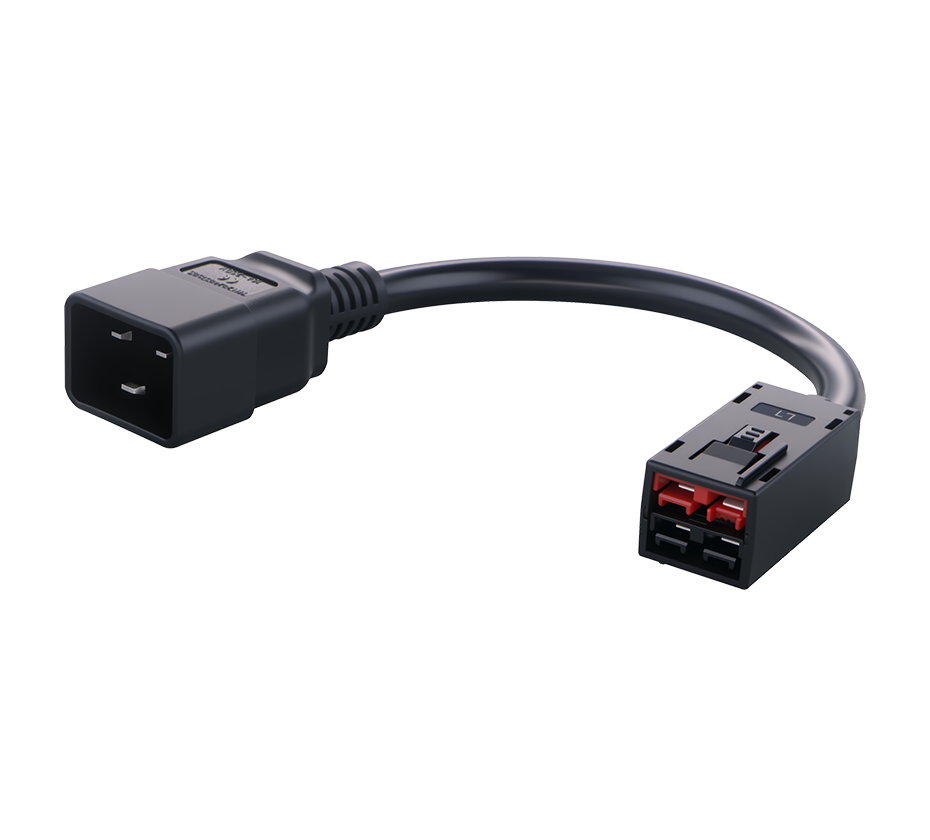
Finger-Proofing and User Safety
The IEC 60601-1 standard includes specific requirements for finger-proofing of medical connectors, designed to prevent accidental contact with live electrical parts. This is particularly important for connectors that carry high voltages or that may be disconnected during patient use. The finger-proofing requirement affects both the physical design of the connector and the choice of insulating materials.
Medical connectors must be designed with recessed contacts or insulating barriers that prevent a standard test finger from reaching live parts. The insulating materials used for these barriers must possess adequate dielectric strength and flame retardancy to provide the required level of protection. The combination of finger-proofing requirements with flame-retardant material selection ensures that the connector provides comprehensive protection against both electrical shock and fire hazards.
Color Coding and Keying Systems
Medical connectors frequently incorporate color coding and keying systems to prevent mismating and ensure that only compatible connectors can be mated. This is particularly important in clinical environments where multiple connectors may be in close proximity, and incorrect connections could have serious consequences for patient safety. Color coding is typically achieved through the use of pigmented polymer materials, and the pigments must be compatible with the flame-retardant additives and the sterilization processes.
Keying systems, such as the six keyable positions available in the HyperGrip® series, provide mechanical differentiation between connectors that may have similar physical dimensions but different electrical configurations. The keying features must be molded with sufficient precision to ensure reliable engagement and disengagement while maintaining the structural integrity of the flame-retardant housing.
Market Trends and Future Developments
Market Growth and Drivers
The global medical connectors market is experiencing robust growth, driven by the expanding medical device industry, rising geriatric population, and the increasing prevalence of chronic diseases and trauma injuries. According to market research, the global medical connectors market was estimated at approximately USD 1.6 billion to USD 1.74 billion in 2025 and is projected to reach USD 2.45 billion to USD 2.6 billion by 2030-2032, representing a compound annual growth rate (CAGR) of 5% to 7.1%.
The growing shift toward minimally invasive surgeries, along with increasing demand for diagnostic imaging and home-based care, further accelerates the adoption of advanced medical connectors. As healthcare systems globally adopt advanced technologies to enhance patient outcomes, there is a heightened demand for dependable, efficient devices capable of facilitating intricate medical procedures. This demand extends to flame-retardant connectors, as regulatory requirements for fire safety become increasingly stringent and healthcare facilities prioritize risk mitigation.
Miniaturization and High-Density Interconnect
The trend toward miniaturization in medical devices is driving the development of smaller, higher-density connectors that can accommodate more contacts in less space. This trend is particularly pronounced in implantable devices, wearable medical monitors, and minimally invasive surgical instruments. Flame-retardant materials with high dielectric strength and thin-wall molding capabilities are essential to support this trend.
Greenconn's floating connector technology, for example, addresses the challenges of precision medical devices by automatically absorbing assembly misalignment and reducing stress concentration. The GC01 Series combines flame-retardant LCP insulation with a floating compensation structure that ensures stable module engagement even in compact, high-density configurations. Each pin supports up to 3A, and the connector achieves contact resistance of ≤20mΩ and insulation resistance of ≥1000MΩ, demonstrating that miniaturization need not compromise electrical performance.
High-Speed Data Transmission
The increasing use of digital imaging, real-time patient monitoring, and electronic health records is driving demand for medical connectors capable of high-speed data transmission. Connectors used in MRI machines, CT scanners, ultrasound systems, and advanced patient monitoring equipment must support data rates in the gigabit-per-second range while maintaining signal integrity and electromagnetic compatibility.
Flame-retardant materials for high-speed connectors must exhibit low dielectric constant and loss tangent to minimize signal attenuation. LCP has emerged as a preferred material for these applications, offering excellent dielectric properties at high frequencies combined with UL94 V-0 flame retardancy. The development of new LCP formulations with even lower dielectric loss is expected to further enhance the performance of high-speed medical connectors.
Sustainability and Environmental Compliance
The medical device industry is increasingly focused on sustainability and environmental compliance, driven by regulatory requirements such as the EU's Restriction of Hazardous Substances (RoHS) directive and the growing awareness of the environmental impact of healthcare operations. This trend is influencing the selection of flame-retardant materials, with a preference for halogen-free systems that avoid the use of brominated and chlorinated compounds.
The development of halogen-free flame-retardant systems that achieve UL94 V-0 ratings without compromising biocompatibility or mechanical properties represents a significant area of ongoing research and development. Materials such as SILTEM™ resin and the halogen-free PA/ASA and PC/PBT compounds from Romira demonstrate the industry's commitment to meeting both fire safety and environmental requirements.
Additive Manufacturing and 3D Printing
Additive manufacturing, or 3D printing, is emerging as a transformative technology for medical device production, enabling the rapid prototyping and customized production of complex connector geometries. The development of flame-retardant photopolymer resins for 3D printing has opened new possibilities for medical connector design, allowing for the creation of intricate internal structures that would be difficult or impossible to achieve with traditional injection molding.
Formlabs has introduced flame-retardant resin for 3D printing performance applications, including electronics enclosures, connector housings, and covers. For medical applications, the availability of 3D-printable flame-retardant materials that meet UL94 V-0 requirements and biocompatibility standards represents an important step toward more agile and customized medical device manufacturing.
Medical-grade flame-retardant connectors represent a critical intersection of materials science, electrical engineering, and regulatory compliance. The selection of appropriate flame-retardant materials—whether PEI, PEEK, LCP, PBT, or halogen-free compounds—requires a careful balancing of thermal stability, chemical resistance, electrical performance, biocompatibility, and fire safety. The regulatory framework established by IEC 60601-1, UL 94, ISO 10993, and other standards provides the guidelines within which connector designers must operate, but the practical challenges of meeting these requirements demand deep expertise in polymer science and connector engineering.
As the medical device industry continues to evolve toward smaller, smarter, and more connected devices, the demand for high-performance flame-retardant connectors will only intensify. The development of new materials and designs that can meet these evolving requirements while maintaining the highest standards of patient safety and environmental responsibility will be essential to the continued advancement of healthcare technology.
 Yang.taya@aitmpower.com
Tel: 15382891313
Phone: 0769-88878951
Fax: 0769-88878955
Wechat: 15382891313


 CN
 CN
 Home >