
 2026-10-27
 2
1. What Is a Solar Panel Connector PP15A?
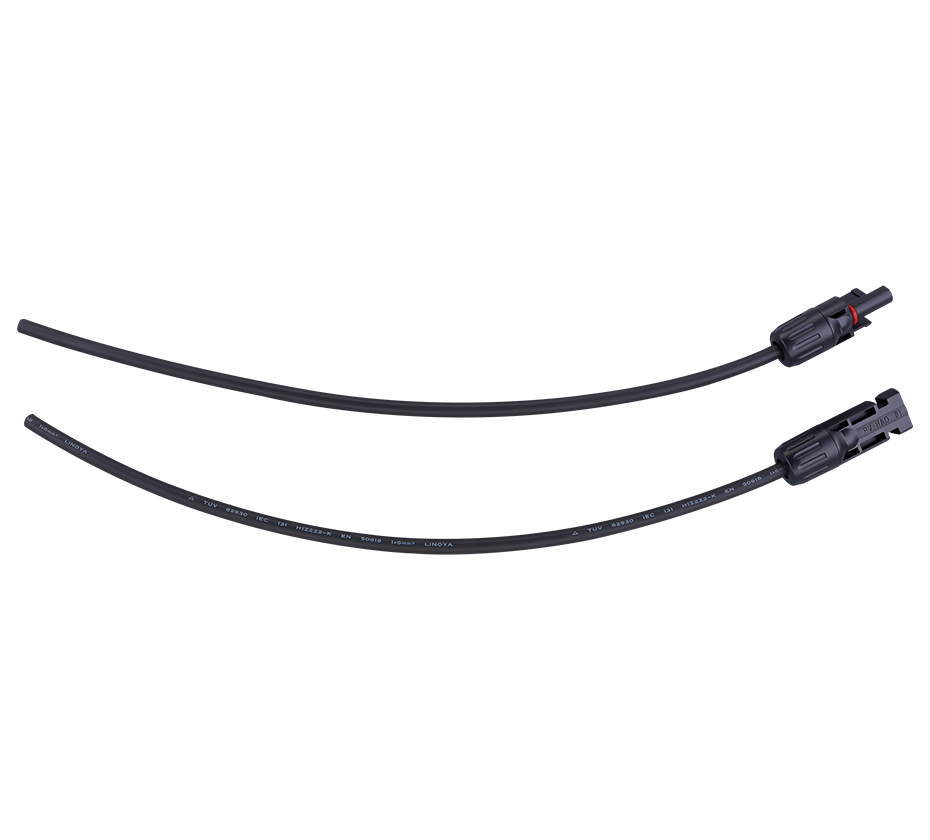
A solar panel connector PP15A is a compact, industrial-grade DC connector engineered specifically for the photovoltaic (PV) power generation industry. The "PP" designation refers to its "Panel Plug" or "Power Pole" connector architecture, while the "15A" identifies its nominal rated current of 15 amperes — the continuous current the contact system is designed to carry safely under normal operating conditions. In practical terms, the PP15A is the standardized electrical interface that links solar panels to each other in a string, connects a panel to the junction box, and ultimately carries the DC current produced by the photovoltaic cells toward the inverter and the rest of the solar power system.
Every solar installation, from a small rooftop array to a utility-scale ground-mounted power plant, depends on a network of connectors. These connectors must do far more than simply join two wires. They must seal out moisture, resist ultraviolet radiation from years of direct sunlight, withstand temperature swings that can exceed one hundred degrees Celsius, and maintain low electrical resistance so that the energy captured by the solar cells is not wasted as heat. The PP15A solar panel connector is designed precisely to meet these challenges, offering a reliable and field-serviceable connection that has become a trusted choice among PV installers, electrical contractors, and system designers around the world.
Understanding the PP15A begins with recognizing what it is not. It is not a universal AC household connector, and it is not a low-voltage electronics plug. It is a specialized DC connector built to the demanding standards of the photovoltaic industry, where safety, weather resistance, and long-term reliability are non-negotiable. This guide explains everything you need to know about the PP15A solar panel connector — from its internal structure and electrical ratings to how to choose, install, and maintain it. Whether you are a professional solar installer, a procurement engineer sourcing components for a solar project, or a homeowner planning a DIY photovoltaic system, this article provides the detailed technical grounding you need to make confident decisions.
2. Key Electrical Specifications of the PP15A Connector
The PP15A solar panel connector is defined by a precise set of electrical specifications that determine where and how it can be used safely. The most important of these is the rated current. At 15 amperes continuous, the PP15A is ideally suited to modern high-efficiency solar panels, which typically generate between 8 and 13 amperes of short-circuit current per string under peak sunlight. This leaves a healthy safety margin, allowing the connector to operate comfortably within its limits even during the brief current surges that occur at sunrise, sunset, or when clouds create rapidly changing irradiance conditions.
Voltage rating is equally critical. The PP15A is commonly available with voltage ratings of 1000V DC and 1500V DC. The higher 1500V rating is particularly relevant in today's solar industry, because it allows system designers to place more panels in series on a single string, reducing the number of strings, combiner boxes, and cables required for a given array capacity. This translates into lower balance-of-system costs and simpler wiring, which is why 1500V-rated connectors are increasingly the default for utility-scale projects. The connector's internal insulation system and creepage distances are engineered specifically to handle these high DC voltages safely, a requirement that ordinary low-voltage connectors simply cannot meet.
The electrical contact resistance of the PP15A is another specification that deserves attention. High-quality PP15A connectors are manufactured to achieve a contact resistance in the range of 0.5 to 1.5 milliohms. Low contact resistance matters because every milliohm of resistance at the connection point converts a portion of the solar current into heat. Over the decades-long lifetime of a solar installation, even a small additional resistance at every junction accumulates into measurable energy losses across the entire array. A properly crimped PP15A connector keeps these losses minimal and helps the system achieve its rated energy yield.
The insulation resistance and dielectric strength of the connector also bear directly on safety. A well-made PP15A offers insulation resistance typically measured in the hundreds of megohms, and it withstands a test voltage that may reach 6 to 8 kilovolts for one minute without breakdown. These figures confirm that the connector's plastic housing and internal barriers can reliably separate the high-voltage DC circuit from the outside world, protecting both equipment and personnel. When combined with the connector's flame-retardant housing material, rated to the UL94-V0 standard, the PP15A provides a level of electrical and fire safety that is essential for a component installed on rooftops and in open fields where a fault could otherwise escalate into a dangerous event.
3. Construction and Materials: Built to Survive the Outdoors
The reliability of the solar panel connector PP15A rests on the quality of its materials and the precision of its construction. The connector body is molded from engineering thermoplastics — commonly polycarbonate, PPO (polyphenylene oxide), or PC/ABS blends — selected for their excellent electrical insulation, dimensional stability, and resistance to ultraviolet light. These materials are rated to the UL94-V0 flame-retardant standard, meaning the plastic will stop burning within a short time after an ignition source is removed, greatly reducing the fire risk in a rooftop installation where combustible materials may be nearby.
The contact system inside the PP15A is typically made from tin-plated copper or a copper alloy. Tin plating is favored because it provides a stable, corrosion-resistant surface that maintains low contact resistance over decades of service, even in humid and salt-laden coastal environments. The contacts are designed with a precise spring mechanism — often a multi-point or slit-tube contact design — that generates the mechanical normal force needed to maintain a firm electrical connection while allowing the male and female halves to be mated and unmated repeatedly without significant wear. This combination of corrosion-resistant plating and robust mechanical design is what allows the PP15A to deliver consistent performance over a 25-year-plus service life.
Environmental sealing is achieved through a combination of molded-in sealing rings, compression gaskets, and precisely machined mating surfaces. The PP15A connector is most commonly rated to the IP67 standard, which guarantees complete protection against dust ingress and protection against the effects of temporary immersion in water. In many installations the connector is also mated with a locking mechanism — either a threaded collar or a snap-lock design — that prevents accidental disconnection caused by wind vibration, thermal expansion, or the movement of cables. This physical security is a critical safety feature, because an unsealed or partially disconnected DC connector under load can produce an electrical arc hot enough to start a fire.
Temperature tolerance is another defining characteristic of the PP15A. Depending on the specific grade, PP15A connectors operate reliably across a temperature range from roughly minus 40 degrees Celsius to plus 85 to 105 degrees Celsius. This broad operating window is essential for solar installations in diverse climates, from desert regions where panels bake in midday heat to cold high-latitude locations where equipment must function through deep winter freezes. The connector's materials are chosen so that thermal cycling — the repeated expansion and contraction that occurs every day as panels heat up and cool down — does not cause cracking, loosening of contacts, or loss of the environmental seal.
4. How the PP15A Compares with the MC4 Connector
When discussing solar panel connectors, the MC4 connector inevitably comes up as the industry benchmark. It is worth understanding precisely how the PP15A solar panel connector relates to and competes with the MC4, because the choice between them affects system compatibility, procurement, and long-term serviceability. The MC4 (Multi-Contact, 4mm) connector became the de facto standard in the photovoltaic industry, largely because its design solved the earlier problem of accidental disconnection by introducing a locking mechanism that requires a special tool to release.
The PP15A shares the fundamental design philosophy of the MC4: a two-part male and female connector system that is crimped or soldered onto the PV cable, mated by hand, and locked into place. In many product lines, the PP15A is designed to be cross-compatible with standard MC4-style mating interfaces, meaning it can be used alongside existing MC4 connectors in the field. This interoperability is a major practical advantage, because it allows an installer or a plant operator to use PP15A connectors for new cable runs or replacements without having to rewire the entire array.
Where the PP15A often distinguishes itself is in specific niches. Some PP15A variants are optimized as fuse connectors, integrating a blade or cartridge fuse directly into the connector body. This allows string-level overcurrent protection to be placed right at the panel connection point, simplifying the system and removing the need for a separate external fuse holder. For arrays that experience partial shading or mismatched panel characteristics, this integrated fuse capability can be a genuine safety and convenience benefit.
From a value standpoint, PP15A connectors are frequently positioned as a cost-effective alternative to premium MC4 brands while maintaining comparable electrical and environmental performance. For large projects where thousands of connectors are required, the unit-price difference between connector families can represent a meaningful line item in the procurement budget. However, it is essential to emphasize that compatibility and quality should never be sacrificed purely for price. A connector that fails the IP67 seal test or has an unreliable locking mechanism can compromise the entire array. When comparing the PP15A with the MC4, the responsible approach is to verify the actual specifications and certifications of the specific product, rather than relying on brand name alone.
5. Applications and Where the PP15A Is Used
The solar panel connector PP15A is deployed across the full spectrum of photovoltaic applications, and its suitability for a given role depends largely on the current and voltage requirements of the specific system. In residential rooftop installations, where panel strings typically operate at currents of around 10 to 13 amperes and system voltages of up to 600V or 1000V DC, the PP15A's 15-ampere rating provides a comfortable fit. Homeowners and small installers appreciate its ease of use, the clean professional appearance of the terminated cables, and the confidence that comes from a connector with a proper IP67 waterproof rating.
In commercial and industrial rooftop systems, which may span tens of thousands of square meters of panels, the PP15A is often used in large numbers as the primary interconnection between panels and as the link between panel strings and the main DC cabling. The integrated fuse variants of the PP15A are particularly useful in these larger installations, where string protection and ease of field replacement become more important. Because commercial arrays often operate at 1000V or 1500V DC, the availability of high-voltage PP15A variants is essential for these projects to be wired both safely and economically.
Utility-scale ground-mounted solar farms represent the most demanding application environment for any PV connector. Here, connectors must endure decades of exposure to sun, rain, dust, and temperature extremes, often in remote locations where maintenance access is difficult. The PP15A is selected for these projects when its current and voltage ratings match the string design and when its proven weather resistance and long service life align with the operator's reliability requirements. The integrated fuse connector variants also help simplify the wiring of large arrays, reducing the number of junction boxes and connection points that must be individually inspected and maintained.
Beyond conventional photovoltaic arrays, the PP15A finds application in a range of related solar systems. It is used in solar-powered water pumping systems, off-grid and hybrid energy systems that combine solar with battery storage, solar carports and canopies, and mobile or portable solar kits used for camping, RVs, and emergency power. In these applications, the connector's robust sealing, secure locking, and resistance to repeated mating cycles are highly valued. Whether the system is a fixed ground array or a foldable portable solar panel that is set up and taken down regularly, the PP15A delivers the reliable, weatherproof DC connection that the equipment depends on.
6. Installation Guide: Crimping and Assembling the PP15A
Correct installation is the single most important factor in the long-term performance of a solar panel connector PP15A. A connector that is properly crimped and assembled will deliver its rated electrical and environmental performance for decades, while an improperly installed connector can become a source of heat, corrosion, arcing, and even fire. The first and most critical step is the preparation of the cable. The PV cable should be cut cleanly, and the insulation should be stripped to the precise length specified by the connector manufacturer. Using a proper cable stripper and following the manufacturer's stripping-length specification ensures that the bare conductor is exactly the right length for the contact barrel.
The second critical step is the crimp itself. The PP15A uses a crimp connection between the conductor and the contact, and this crimp must be made with the correct tool and die. Hand tools, ratchet crimpers, and hydraulic or electric crimping tools are all available; what matters is that the tool is sized for the specific contact and that the crimp achieves the required compression. A properly crimped connection is mechanically strong and electrically sound, with the conductor strands fully captured and compressed into the contact barrel. An under-crimped connection can pull out under tension and can also exhibit high resistance, while an over-crimped connection can weaken the conductor or crack the contact. For this reason, serious installers verify their crimps with a pull test or use a crimp-quality monitor.
After crimping, the contact is inserted into the connector body. The PP15A is designed so that the contact seats into the housing and locks into place with an audible or tactile click, ensuring the contact cannot back out during mating. The cable gland and sealing components are then assembled, and the connector body is closed. At this stage, the installer should verify that the sealing ring is correctly seated and that the cable gland is tightened to the manufacturer's specified torque, because this is what provides the IP67 waterproof seal. A loose gland is one of the most common causes of premature connector failure.
Mating and locking are the final steps. The male and female halves of the PP15A are pushed together by hand until they seat fully, and the locking mechanism — whether a threaded collar or a snap lock — is engaged to secure the connection. When disconnection is required for maintenance or troubleshooting, the release tool is used to disengage the lock before separating the halves. It is important never to pull the connector apart by the cable, as this can damage both the cable and the connector. Following this disciplined installation procedure, and re-checking a sample of connections after installation, will give the array the best chance of trouble-free operation over its entire service life.
7. Safety Considerations and Best Practices
Working with a solar panel connector PP15A means working with high-voltage DC, and safety must be the first consideration in every procedure. DC voltage is more dangerous than AC voltage in several respects. It does not cross zero, so an electrical arc, once started, is difficult to extinguish, and it can sustain a continuous, extremely hot arc at the point of disconnection. For this reason, the golden rule of PV connector safety is to never connect or disconnect a connector while it is carrying load current. All connections and disconnections should be performed with the array isolated, or at least with the string current interrupted, to prevent arcing at the connector contacts.
The locking mechanism of the PP15A exists for safety as well as for reliability. Under normal operation, the connector must remain securely locked to prevent an accidental disconnection that could break the DC circuit under load and create an arc. When maintenance is required, the correct release procedure must be followed, and the same personal protective equipment that applies to any high-voltage electrical work — insulated gloves, appropriate tools, and eye protection — should be worn. Anyone performing installation or maintenance on a PV system should also be properly trained and, where local regulations require, certified to work on electrical installations.
Another safety consideration is the polarity of the connection. DC connectors are polarized so that the male and female halves can only be mated in the correct orientation, but the installer must still ensure that the positive and negative cables are connected to the correct terminals throughout the system. A reversed connection can damage components and create hazardous conditions. Many PP15A connectors are color-coded or clearly marked to assist with correct polarity identification, and installers should use these markings consistently across the array.
Finally, the long-term safety of the installation depends on periodic inspection. Solar panels and their connectors are exposed to the elements year after year, and seals can age, cables can chafe, and connections can loosen. A routine inspection program that checks the physical condition of connectors, verifies that locking mechanisms are intact, and looks for signs of discoloration, corrosion, or overheating can catch small problems before they become serious safety hazards. Thermal imaging is a powerful tool for this purpose, because it reveals hot spots at connections that are carrying excess resistance. By combining careful initial installation with ongoing inspection, the PP15A connector will serve its function safely and reliably for the life of the system.
8. How to Choose the Right PP15A Connector for Your Project
Selecting the correct solar panel connector PP15A for a project requires matching the connector's specifications to the requirements of the system, and paying attention to a handful of quality factors that separate a reliable component from a risky one. The first decision is the current rating. While the PP15A is nominally a 15-ampere connector, you should verify that the specific variant you select has a continuous current rating that exceeds the maximum current that will flow through the connection. It is best practice to operate a connector well below its maximum rating, so confirm the actual string current of your panels before purchasing.
The voltage rating is the second key decision. If your system operates at 600V or 1000V DC, a connector rated for 1000V will suffice. If you are designing a 1500V system, you must select a connector explicitly rated for 1500V DC, because the insulation and creepage requirements differ substantially. Choosing a connector with a higher voltage rating than the system requires is generally safe but may cost more, while choosing one with an insufficient rating is a serious safety hazard that must be avoided at all costs.
Certifications and compliance are non-negotiable quality indicators. Look for connectors that carry recognized certifications such as TÜV, UL, IEC 62852, or CE marking, because these certifications are backed by testing laboratories that verify the connector meets real performance and safety standards. A certified connector has been tested for temperature rise, insulation resistance, dielectric strength, and durability of the mating mechanism. Documentation of these certifications, which should be available from the manufacturer or supplier, gives you confidence that the connector will perform as claimed.
Compatibility is the final and often overlooked consideration. If the PP15A connector is to be mated with existing connectors in an array, or if you need it to be cross-compatible with standard MC4 connectors, you must confirm this compatibility with the manufacturer before purchase. This is especially important in retrofit and maintenance applications, where a new connector must work with connectors already installed in the field. Reputable manufacturers will specify their connector's compatibility clearly. By matching current, voltage, certification, and compatibility to your system's needs, you ensure that the PP15A connectors you buy will perform safely and reliably for years to come.
9. Maintenance, Troubleshooting, and Common Problems
Even the highest-quality solar panel connector PP15A can develop problems if it is neglected, and understanding the common failure modes helps an operator address them before they cause real damage. The most frequent problem is water ingress. If the cable gland is not tightened correctly, or if the sealing components are damaged during installation, moisture can enter the connector. Over time, this moisture promotes corrosion of the contacts, which raises resistance, generates heat, and can eventually lead to connection failure. The symptoms of water ingress are often visible: discoloration of the contacts, greenish corrosion, or a smell of burning when the connection is under load.
Loose or improper crimps are another common source of trouble. If a crimp was not compressed sufficiently, the conductor can pull out of the contact under tension, or the connection can develop high resistance that causes localized heating. Thermal imaging of an energized array will quickly reveal such hot spots. When a hot connector is found, the correct response is to isolate the string, disassemble the connector, inspect both the contact and the conductor, and re-terminate it with the correct tool if needed. It is never acceptable to leave a hot connection in service, because the heat will only get worse over time.
Mechanical damage is also a risk, especially in arrays subject to wind, wildlife, or maintenance activity. Cables can be pulled, connectors can be stepped on, and locking mechanisms can be damaged. A connector with a damaged housing or a broken locking feature should be replaced rather than repaired, because its environmental seal and mechanical security can no longer be guaranteed. When replacing a damaged PP15A, the installer should use the same quality and type of connector, and follow the full installation procedure again to ensure a correct termination.
Preventive maintenance is far more effective than reactive troubleshooting. A structured inspection schedule, conducted at least annually and after any severe weather event, should include a visual check of all connectors, verification that locking mechanisms are engaged, a check that cables are not chafing against sharp edges, and a thermal scan of the array under load. By recording the results of these inspections, an operator builds a history that reveals which parts of the array need attention. This disciplined approach to maintenance keeps the PP15A connectors — and the entire solar array — operating at peak efficiency and safety for the full design life of the installation.
Frequently Asked Questions About the PP15A
What does PP15A stand for? The "PP" typically denotes the panel plug or power pole connector architecture used in the photovoltaic industry, and the "15A" indicates the connector's nominal rated current of 15 amperes. Together, the designation identifies a 15-ampere-rated solar panel DC connector.
Is the PP15A compatible with MC4 connectors? Many PP15A connectors are designed to be cross-compatible with standard MC4-style connectors, but compatibility must be confirmed with the manufacturer before purchase, especially for retrofit applications where the new connector must mate with connectors already installed in the field.
What voltage rating does the PP15A support? PP15A connectors are commonly available in both 1000V DC and 1500V DC ratings. The 1500V version is increasingly preferred for utility-scale and high-voltage commercial installations because it allows longer panel strings and lower balance-of-system costs.
Is the PP15A waterproof? Yes. PP15A connectors are typically rated to IP67, meaning they are dust-tight and protected against temporary immersion in water. This rating is achieved through molded-in sealing rings and a properly tightened cable gland.
Do I need a special tool to install the PP15A? A proper crimping tool matched to the contact size is recommended to achieve a reliable crimp. The connector is then assembled by hand, and a release tool is used to disconnect the mated halves for maintenance.
How long does a PP15A connector last? With correct installation and routine inspection, a high-quality PP15A connector is designed to match the service life of the solar panels it connects, typically 25 years or more. Corrosion, water ingress, and mechanical damage are the main factors that can shorten this life, which is why proper installation and maintenance are so important.
The solar panel connector PP15A represents a mature, reliable, and cost-effective solution for the DC interconnection needs of modern photovoltaic systems. Its 15-ampere current rating aligns well with the output of contemporary high-efficiency solar panels, its available 1000V and 1500V voltage ratings support both residential and utility-scale designs, and its robust IP67 construction and flame-retardant materials equip it for decades of outdoor service. Whether it is used as a standard panel-to-panel connector or as an integrated fuse connector providing string-level overcurrent protection, the PP15A earns its place in the solar installer's toolkit.
The decision to use a PP15A connector should always be guided by verified specifications rather than assumptions. Confirming the current and voltage ratings, checking certifications such as TÜV, UL, or IEC 62852, and verifying MC4 compatibility will ensure that the connector you select performs as required in your specific system. Equally important is the quality of installation — a correctly crimped, properly sealed, and securely locked PP15A will deliver its rated performance for the full life of the array, while a careless installation can compromise even the best-made connector.
For solar installers, procurement engineers, and system owners alike, the PP15A offers a compelling combination of performance, safety, and value. Its engineering addresses the real-world challenges of outdoor PV operation: heat, moisture, UV exposure, thermal cycling, and the constant demand for low-resistance connections. By selecting a certified PP15A connector, installing it correctly, and maintaining it with regular inspection, you build a DC connection system you can rely on. In an industry where reliability translates directly into energy yield and safety, the PP15A solar panel connector stands as a dependable and intelligent choice for powering the world's transition to clean solar energy.
 Yang.taya@aitmpower.com
Tel: 15382891313
Phone: 0769-88878951
Fax: 0769-88878955
Wechat: 15382891313


 CN
 CN
 Home >