
 2026-10-14
 3
The MC4 Standard and Its Imitators
The MC4 connector, originally developed by Stäubli (formerly Multi-Contact) in 1996, has become the dominant connector format in the global solar industry. The designation "MC4" technically refers to a specific product family from Stäubli, but it has been widely adopted as a generic term for a whole ecosystem of connectors that share similar mating geometry. Over 150GW of photovoltaic systems globally utilize Stäubli's MC4 series connectors, establishing them as the de facto industry benchmark.
The success of the MC4 design has spawned a vast market of "MC4-compatible" connectors from dozens of manufacturers worldwide. These compatible connectors offer lower prices and broader availability but introduce significant risks when used inappropriately. The critical distinction between genuine MC4 connectors, listed intermateable alternatives, and unlisted compatible products is poorly understood by many installers, leading to widespread code violations and safety hazards.
The core issue is that "MC4-compatible" is not a standard or certification – it is a marketing term. Most connectors sold under the "MC4" or "MC4-compatible" designation are lookalikes from various manufacturers that fit mechanically but are not listed to mate with genuine MC4 connectors or with each other. NEC 690.33(C) requires mated PV connectors to be of the same type from the same manufacturer, or listed and identified as intermateable. Mixing brands that merely click together is a code violation and the leading cause of rooftop arc faults in field studies.
Understanding Connector Families and Intermateability
The MC4 Family Tree
To navigate the MC4-compatible landscape effectively, it is essential to understand the different connector families and their intermateability status:
Stäubli MC4 (PV-KBT4/PV-KST4) : The original MC4 connector, listed under UL 6703 and TÜV, rated for 1000V (1500V versions available) and 30A at 12 AWG (20A at 14 AWG). The connector is identified by "MC4" and "Stäubli" or "MC" molded on the housing, with two locking tabs released by a spanner and a ribbed coupling nut. Stäubli MC4 is listed intermateable with MC4 Evo2 and, per Amphenol's listing, with Amphenol H4 connectors.
Stäubli MC4 Evo2: An enhanced version of the original MC4, rated for 1500V and 30 to 45A (8 to 14 AWG). The Evo2 features a larger nut, requires the Evo2 tool for unlocking, and uses a higher-temperature housing. Original MC4 connectors are listed as intermateable with Evo2 per Stäubli.
Amphenol H4/UTX: The H4 connector from Amphenol is dual-certified to UL 6703 and TÜV, rated for 1500V and 30 to 45A. Critically, Amphenol lists the H4 as intermateable with Stäubli MC4 under UL 6703. This represents the one widely accepted cross-brand pairing in the industry. The H4 is identified by "Amphenol H4" or "UTX" molded on the housing and features a single-piece locking sleeve.
TE Connectivity Solarlok: A completely different connector system with a rectangular locking clip and keyed positive and negative housings. Rated for 1000V and 30A under UL 6703, Solarlok is only intermateable with itself.
Multi-Contact MC3: A legacy connector with a smooth round housing and no locking tabs. Rated for 1000V and 20A under older UL 6703 listings, MC3 is obsolete and not permitted for new work under NEC 690.33(C) locking requirements. MC3 is only intermateable with itself.
Huber+Suhner Radox: A high-performance connector rated for 1500V and 40A under UL 6703. Identified by the H+S marking, Radox is only intermateable with itself.
MC4-Compatible Imports: A broad category encompassing connectors from manufacturers including Renogy, BougeRV, Jinko OEM, Longi OEM, and numerous others. These products may carry UL 6703 listing (some) or only CE/TÜV marks (many). They are rated for 1000 or 1500V at 30A, but are only intermateable with their own brand unless the datasheet specifically names another intermateable product.
The Intermateability Matrix
The concept of intermateability is central to safe connector selection. In the context of PV connectors, intermateability means that two connectors from different manufacturers have been tested together and listed as compatible under UL 6703 or an equivalent standard. Without such listing, mating two connectors – even if they physically fit – creates an unlisted connection that may not provide the required contact pressure, sealing integrity, or electrical performance.
The consequences of unlisted cross-mating are well-documented. Field studies have identified cross-mating as a leading cause of rooftop arc faults, and manufacturers have reported significant warranty claims from connectors that were cross-mated with incompatible products. When a connector fails due to cross-mating, the resulting investigation often reveals that the installer assumed compatibility based on physical fit alone, without verifying intermateability listings.
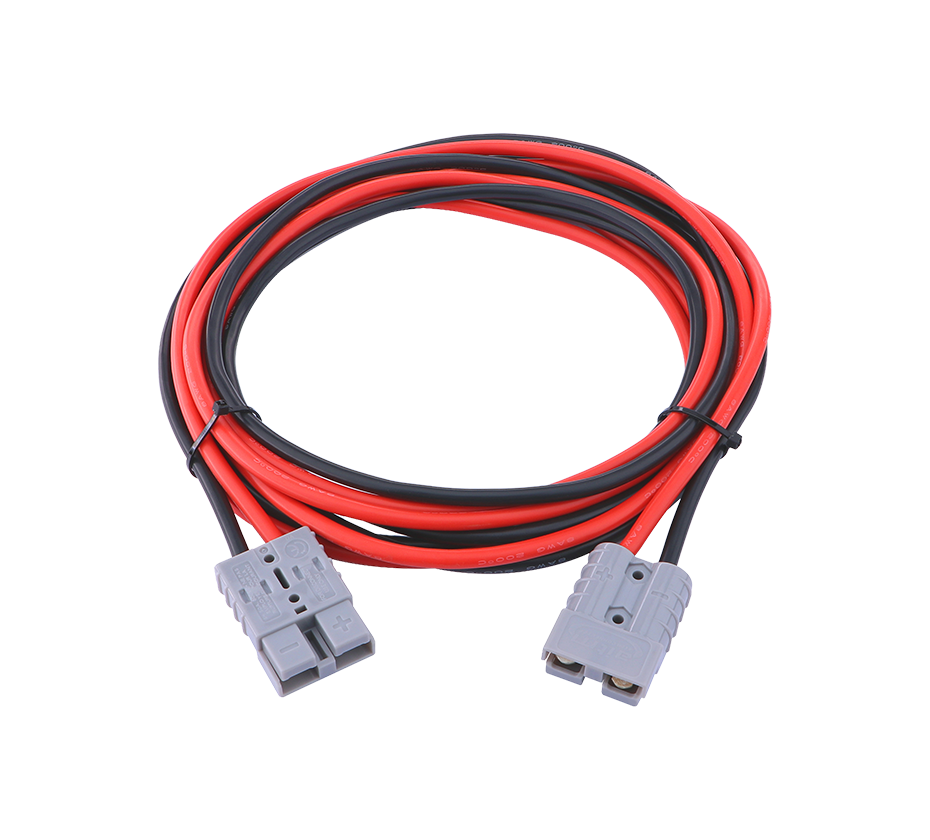
The Genuine MC4 vs. Compatible Connector Dilemma
The Counterfeiting Problem
The MC4 brand has been extensively counterfeited, creating a persistent problem for the industry. Stäubli has repeatedly received warranty returns of counterfeit MC4 connectors from power plant projects. When these counterfeit connectors are examined, they often reveal substandard materials, inadequate sealing, and contact geometries that deviate from the original specifications.
The counterfeiting problem is exacerbated by confusion about what "MC4" means. Many in the industry incorrectly believe that MC4 is a generic standard rather than a specific product from Stäubli. This misunderstanding has allowed large quantities of inferior connectors to enter the market under the "MC4" designation, with some being incorporated into junction boxes and supplied to module manufacturers.
The risks of counterfeit connectors are significant. Original MC4 connectors have instructions printed in white, warning about the risk of disconnection under load. Counterfeit products often lack these safety warnings and may use inferior materials that degrade more rapidly under UV exposure and thermal cycling. When water leaks through counterfeit connectors, it can wick down along copper strands and cause corrosion inside the cable, leading to increased resistance and potential fire hazards.
Cost vs. Quality Considerations
The price difference between genuine MC4 connectors and compatible alternatives can be substantial – often 50% or more. For large utility-scale projects involving hundreds of thousands of connectors, this cost difference is significant and can drive purchasing decisions toward cheaper alternatives.
However, the true cost of connector failures must be factored into any purchasing decision. A single connector failure can take an entire string offline, and the cost of repair – including labor, equipment, and lost generation – can far exceed the savings from using cheaper connectors. The NREL study finding that mean replacement downtime is 1,579 hours illustrates the economic impact of connector failures.
The legal and warranty implications of using non-listed connectors are equally important. If a fire occurs and the investigation reveals that non-listed connectors were used or that cross-mating occurred, insurance claims may be denied. Module manufacturers may also deny warranty claims if the connectors used do not meet the module's specifications.
Standards and Compliance for MC4-Compatible Products
UL 6703 and the Intermateability Requirement
UL 6703 is the primary North American standard governing PV connector safety. The standard's intermateability requirement is its most important provision for MC4-compatible products. Under UL 6703, connectors are identified and tested with compatible mating parts and are to be of the same brand, unless multiple product manufacturers are submitting under the same evaluation for the purpose of proving intermatability.
This requirement means that a UL 6703 listing for a connector does not automatically mean it can be mated with connectors from other manufacturers. Each manufacturer must specifically list which other manufacturers' products their connectors are intermateable with. The Amphenol H4's listing as intermateable with Stäubli MC4 is an example of this process – Amphenol submitted test data demonstrating that their connectors safely mate with Stäubli's products, and this intermateability was recognized under UL 6703.
NEC 690.33(C) and Code Compliance
The 2020 National Electrical Code (NEC) introduced specific requirements for PV connector mating in section 690.33(C). This section requires that connectors be listed and identified as being of the same type and from the same manufacturer, or listed and identified as intermateable. The requirement is explicit and leaves no room for interpretation: merely fitting together is not sufficient for code compliance.
For inspectors and code officials, verifying connector compliance requires checking the UL 6703 listing and the manufacturer's intermateability documentation. The UL 6703 file on the datasheet should specify which products the connector is listed to mate with. If the datasheet does not specifically name a cross-brand intermateable product, the connector should only be mated with products from the same manufacturer.
IEC 62852 and Global Standards
IEC 62852 provides the international framework for PV connector safety, with requirements for electrical performance, mechanical durability, and environmental reliability. While IEC 62852 does not specifically address intermateability in the same way as UL 6703, it provides the technical basis for evaluating connector performance. Manufacturers seeking to demonstrate the quality of their MC4-compatible products often pursue IEC 62852 certification alongside UL 6703 listing.
China's GB/T 33765-2017 standard provides the regulatory framework for the Chinese market, which is the world's largest solar market. This standard applies to DC connectors for photovoltaic systems with rated voltages up to 1,500V and rated currents up to 125A, covering terminology, structural and performance requirements, test methods, inspection rules, and marking requirements.
Brand Comparison and Selection Guide
Stäubli MC4 and MC4 Evo2
Stäubli remains the gold standard for PV connectors. The original MC4 has been the industry benchmark for over 25 years, with a track record of reliability in over 150GW of installed systems. The MC4 Evo2 represents the current state of the art, offering higher current ratings, improved temperature resistance, and a more robust locking mechanism.
For new installations, the MC4 Evo2 is the recommended choice for systems that require the highest level of reliability. For replacement applications in systems with existing MC4 connectors, the original MC4 or Evo2 can be used, depending on the specific intermateability requirements.
Amphenol H4
The Amphenol H4 (UTX) is the leading alternative to Stäubli MC4 for applications requiring cross-brand compatibility. The H4's listing as intermateable with Stäubli MC4 under UL 6703 makes it the only widely accepted option for situations where mating with Stäubli connectors is necessary. The H4 is available in three gauges (25A, 35A, and 45A) and features IP68 protection and dual certification to UL 6703 and IEC 62852.
TE Connectivity Solarlok
TE Connectivity's Solarlok connectors offer a completely different connector system that is not compatible with MC4. Solarlok's rectangular locking clip and keyed housings provide a distinct connection mechanism, but this also means that Solarlok cannot be used in systems designed for MC4 connectors. Solarlok is best suited for new installations where the entire system can be specified with Solarlok connectors from the outset.
Chinese Manufacturers: Renhe, Tongling, and Others
Chinese manufacturers including Renhe Photovoltaic, Tongling Shares, and Kuaike Electronics have emerged as significant players in the PV connector market, benefiting from China's massive domestic solar market. These manufacturers offer MC4-compatible connectors at competitive prices, with varying levels of certification and quality.
When considering Chinese-manufactured MC4-compatible connectors, it is essential to verify UL 6703 listing and intermateability documentation. Some Chinese manufacturers have obtained UL 6703 certification and can provide intermateability data, while others may only carry CE or TÜV marks without specific intermateability listings.
The "White Label" Problem
Many MC4-compatible connectors are sold under various brand names but are manufactured by the same few factories. This "white label" phenomenon makes it difficult for installers to verify the true origin and quality of connectors. Two connectors with different brand names may be identical products from the same factory, or they may be entirely different products with different quality levels.
The safest approach is to purchase connectors from established manufacturers with verifiable UL 6703 listings and clear intermateability documentation. When in doubt, installers should err on the side of caution and use connectors from the same manufacturer throughout the system.
Installation and Maintenance of MC4-Compatible Connectors
Crimping Requirements for Compatible Connectors
Proper crimping is essential for all PV connectors, but it is particularly critical for MC4-compatible products where quality control may be less rigorous than with premium brands. The fundamental requirements for crimping – ratcheting crimp tool with 1,500-2,000 lbs force, hexagonal dies, 6.0-7.5 mm strip length, 310 N minimum pull test, and 3.4 Nm gland nut torque – apply equally to all MC4-style connectors.
Installers should be aware that different compatible connector brands may have slightly different dimensional requirements. The crimp barrel length, contact diameter, and sealing gland dimensions may vary between brands, making it essential to use the manufacturer's recommended tooling and follow their specific assembly instructions.
Mixing Brands: The Code and Safety Violation
The most important rule for MC4-compatible connector installation is to never mix brands unless specifically listed as intermateable. This rule is absolute and non-negotiable. The fact that two connectors physically mate does not mean they are electrically or environmentally compatible. Different contact geometries may result in inadequate contact pressure and increased resistance. Different seal designs may allow moisture ingress. Different locking mechanisms may not provide secure retention.
When a module arrives with a connector from one manufacturer and the installer needs to connect it to a system using a different manufacturer's connectors, the correct approach is to cut the factory connector and crimp a new connector from the system's connector family. This ensures that all connectors in the system are of the same type and from the same manufacturer, satisfying NEC 690.33(C) requirements.
Inspection and Replacement Protocols
Regular inspection of MC4-compatible connectors is essential for maintaining system safety and performance. Visual inspection should look for signs of heat damage (discoloration, melting, cracking), moisture ingress (broken seals, water inside the connector), and mechanical damage (cracked housings, loose connections).
Thermal imaging can identify connectors with elevated resistance, but recent research has shown that 79% of high-risk connector issues show no detectable thermal signature at the time of inspection. This finding underscores the importance of combining thermal imaging with thorough visual inspection and electrical testing.
When replacement is necessary, the replacement connector must match the connector family and generation of the original. Cross-mating during replacement – for example, replacing a Stäubli MC4 with a generic MC4-compatible connector – creates an unlisted connection that may not meet safety requirements.
Risk Mitigation Strategies
Procurement Best Practices
Procurement of MC4-compatible connectors should be based on verified certification and documentation, not on price alone or brand name familiarity. The following verification steps are recommended:
Verify UL 6703 listing: The connector should have a current UL 6703 listing, verifiable through UL's online database. The listing should specify the intermateable products, if any.
Check intermateability documentation: If the connector is to be mated with products from a different manufacturer, the manufacturer should provide written documentation of intermateability testing and listing.
Confirm IEC 62852 certification: For international projects, IEC 62852 certification provides additional assurance of product quality and safety.
Request test reports: Reputable manufacturers can provide test reports demonstrating compliance with applicable standards, including contact resistance, temperature rise, and environmental testing.
Quality Assurance During Installation
Quality assurance during installation is the final line of defense against connector failures. A systematic QA protocol should include:
Crimp quality verification: Pull-test every connection to verify mechanical integrity. Document pull-test results for warranty and insurance purposes.
Torque verification: Use a calibrated torque wrench to verify gland nut torque. Document torque values.
Visual inspection: Inspect every connection for proper seating, seal integrity, and absence of contamination.
Thermal imaging baseline: Capture thermal images of all connections after commissioning to establish a baseline for future inspections.
Training and Certification
Proper training is the most effective prevention measure for connector failures. Installers should receive training on the specific connector products they will be using, including proper crimping techniques, torque requirements, and inspection procedures. Manufacturer-provided training and certification programs, such as those offered by Stäubli, provide valuable opportunities for installers to develop the skills needed for reliable connector installation.
Market Outlook and Future Trends
The Growing MC4-Compatible Market
The MC4-compatible connector market is growing rapidly, driven by the expansion of solar installations globally and the increasing availability of low-cost alternatives to premium branded connectors. The global MC4 photovoltaic connector market is expected to reach USD 4.97 billion by 2030, with a CAGR of 9.8% from 2026 to 2030.
This growth presents both opportunities and challenges. Lower-cost connectors make solar energy more accessible, particularly in price-sensitive markets. However, the proliferation of unlisted and uncertified products increases the risk of system failures and safety incidents.
Regulatory Tightening
Regulatory bodies are increasingly focused on the risks associated with MC4-compatible connectors. NEC 690.33(C) represents a significant tightening of requirements in the United States, and similar regulations are being considered or implemented in other markets. This regulatory trend is likely to continue as the industry recognizes the safety and reliability implications of unlisted connector mating.
The Smart Connector Revolution
The next generation of PV connectors is incorporating digital monitoring capabilities that enable predictive maintenance and real-time system health monitoring. Smart connectors with embedded sensors can monitor temperature, current, and contact resistance, providing early warning of degradation before failures occur. This technology has the potential to significantly reduce the incidence of connector-related failures and fires.
Standardization Efforts
The industry continues to work toward greater standardization of PV connectors. While the MC4 format has become dominant, there are still multiple incompatible variants and a lack of universal intermateability. Efforts to develop a truly standardized connector that can be safely mated across brands would significantly reduce the risks associated with cross-mating and simplify procurement and installation.
MC4-compatible connectors represent both the success and the challenge of the solar industry's standardization journey. The MC4 format has achieved remarkable market penetration, but the proliferation of unlisted, uncertified, and incompatible products has created significant safety and reliability risks.
For installers, engineers, and asset owners, the key to safe and reliable connector systems lies in understanding the distinction between genuine MC4 connectors, listed intermateable alternatives, and unlisted compatible products. NEC 690.33(C) provides a clear framework for compliance: use connectors of the same type from the same manufacturer, or use connectors listed as intermateable.
The future of PV connectors lies in continued standardization, enhanced certification requirements, and the integration of smart monitoring capabilities. As the solar industry continues its rapid growth, the importance of reliable connector technology will only increase. The choices made today in connector selection, installation, and maintenance will determine the safety and performance of solar installations for decades to come.
For those seeking to navigate the complex world of MC4-compatible connectors, the guiding principle is simple: verify, don't assume. Verify the UL 6703 listing, verify intermateability documentation, verify proper installation, and verify through regular inspection. This approach, combined with a commitment to quality and safety, will ensure that solar energy systems deliver the reliable, long-term performance that the world needs in its transition to clean energy.
 Yang.taya@aitmpower.com
Tel: 15382891313
Phone: 0769-88878951
Fax: 0769-88878955
Wechat: 15382891313


 CN
 CN
 Home >